Accent Walls: When They Work and When They Don’t
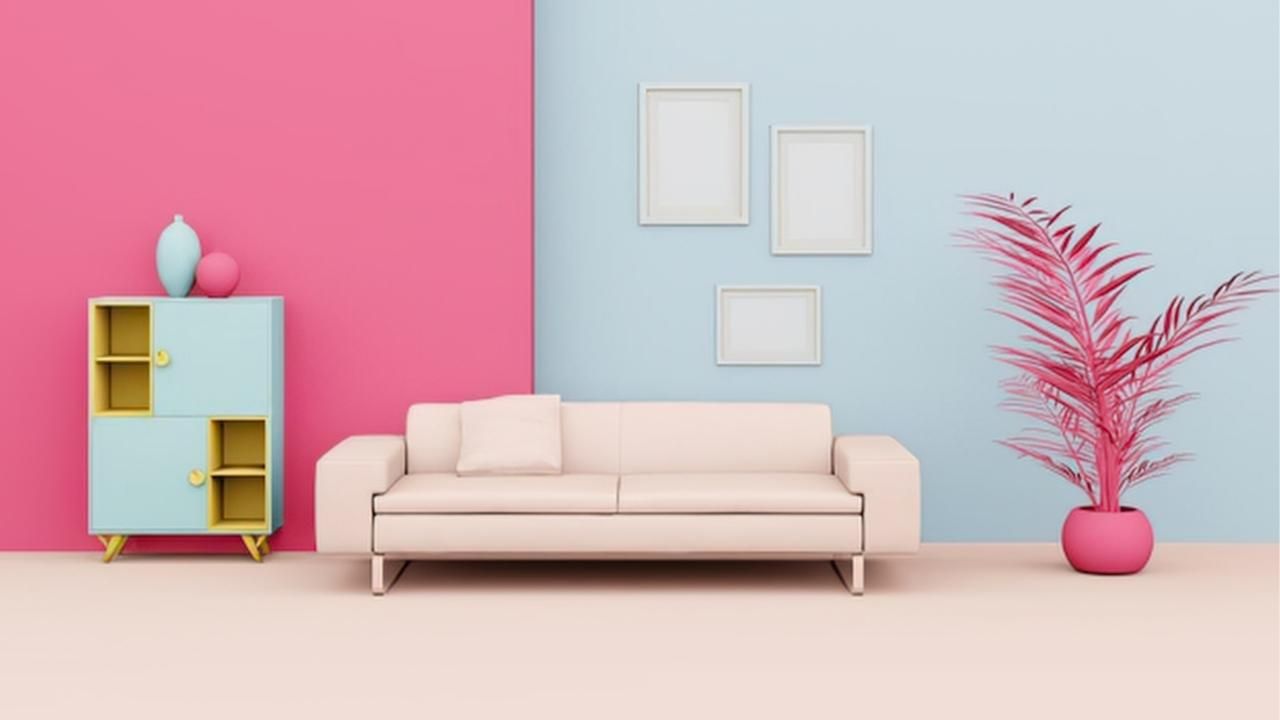
An accent wall can give a room personality, depth, and a strong visual focus without requiring a complete redesign. But when the color, location, or finish is wrong, it can make the same space feel smaller, unbalanced, or dated.
Homeowners considering Central Oregon painting services should look beyond trendy color swatches and think about how the wall interacts with the entire room. A successful accent wall supports the layout, lighting, and existing décor rather than fighting for attention. That is why experienced painters often evaluate the space before recommending a color or placement.
The team at Ash Painting of Central Oregon can help homeowners choose an accent wall that feels intentional and complements the rest of the home. Professional interior wall painting also delivers cleaner edges, even coverage, and a polished result that is difficult to achieve with rushed preparation.
This guide explains where accent walls work best, when they should be avoided, and how to make one feel like a natural part of the room.
When an Accent Wall Works Well
An accent wall is most effective when a room already has a clear focal point. The different color or finish should draw attention toward an architectural feature instead of creating a competing visual element.
Good accent wall locations often include:
- The wall behind a bed or headboard
- A fireplace wall in a living room
- The wall behind a television or entertainment center
- A dining room wall with built-in shelving
- A recessed wall or architectural niche
- The first wall visible when entering a room
Accent walls are also useful in open floor plans. A carefully selected color can help define a dining area, home office, or reading corner without adding physical dividers.
The key is choosing a wall that already feels important. Paint should strengthen that role, not randomly assign attention to an otherwise ordinary surface.
When an Accent Wall Does Not Work
Not every room needs an accent wall. In some cases, adding one can interrupt the visual flow and make the design feel unfinished.
An accent wall may not be the best choice when:
- The room is already filled with bold furniture, artwork, or patterns
- There is no obvious focal point
- The selected wall contains several doors or windows
- The room is very narrow or unusually shaped
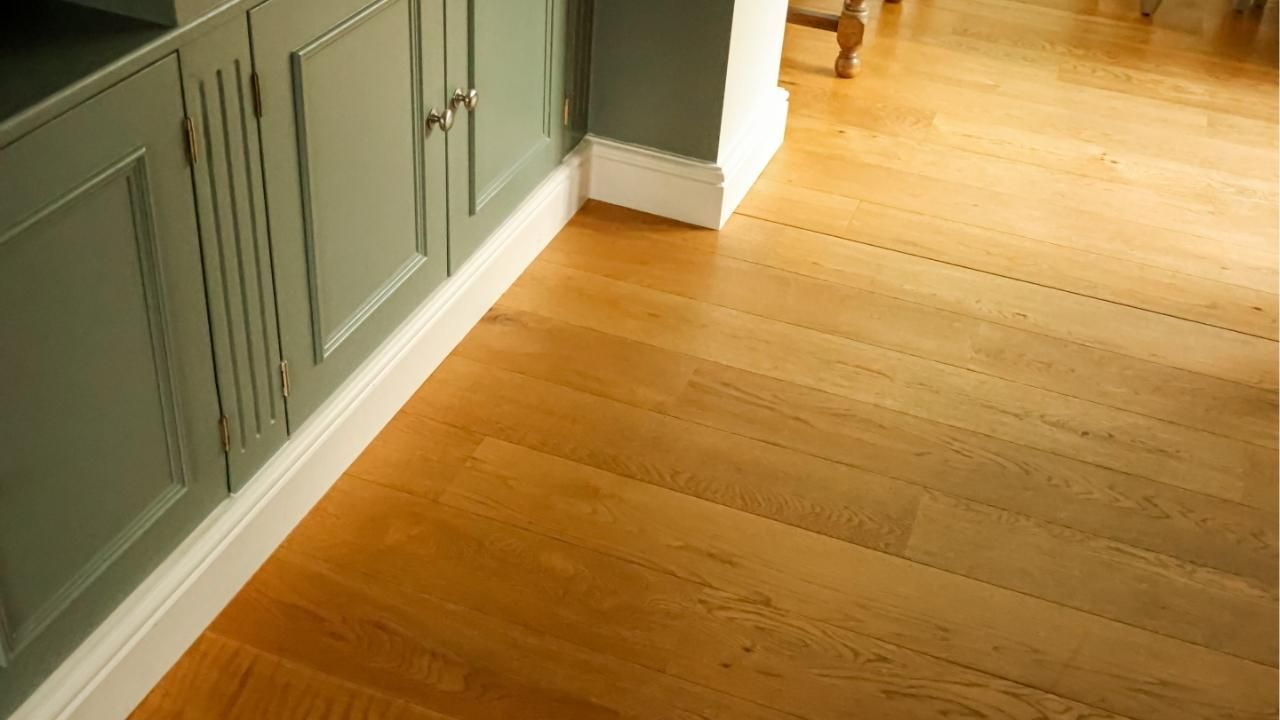
- The wall color clashes with flooring or permanent fixtures
- The accent shade is dramatically darker than the surrounding walls
Randomly choosing the largest empty wall is a common mistake. The result may pull attention away from the best features of the room or make the furniture arrangement feel awkward.
Small rooms also require careful planning. A very dark accent color can make a cramped room feel even tighter, especially if natural light is limited. However, deeper shades can still work when paired with good lighting and lighter surrounding surfaces.
How to Choose the Right Accent Color
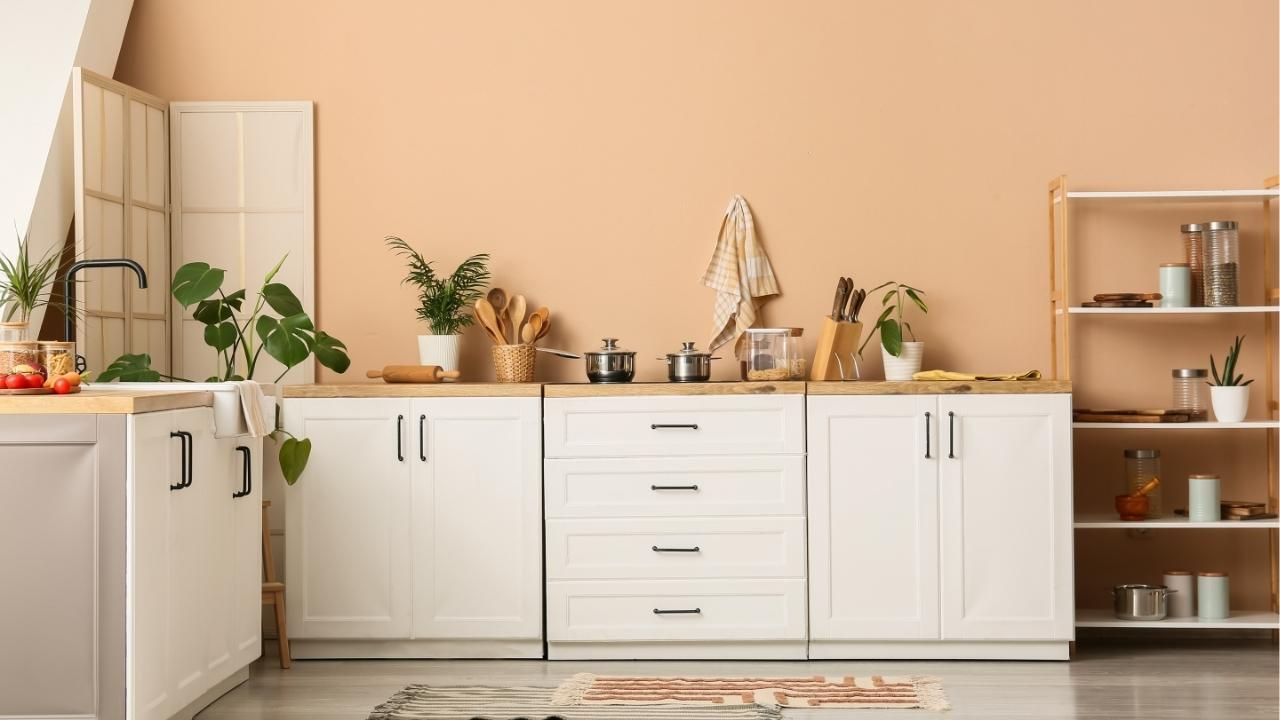
The best accent color is usually connected to something already present in the room. It might be pulled from a rug, piece of artwork, upholstery fabric, countertop, or decorative accessory.
Before committing to a color, consider:
- Natural light: Colors can look warmer or cooler throughout the day.
- Room direction: North-facing rooms may make cool shades appear duller.
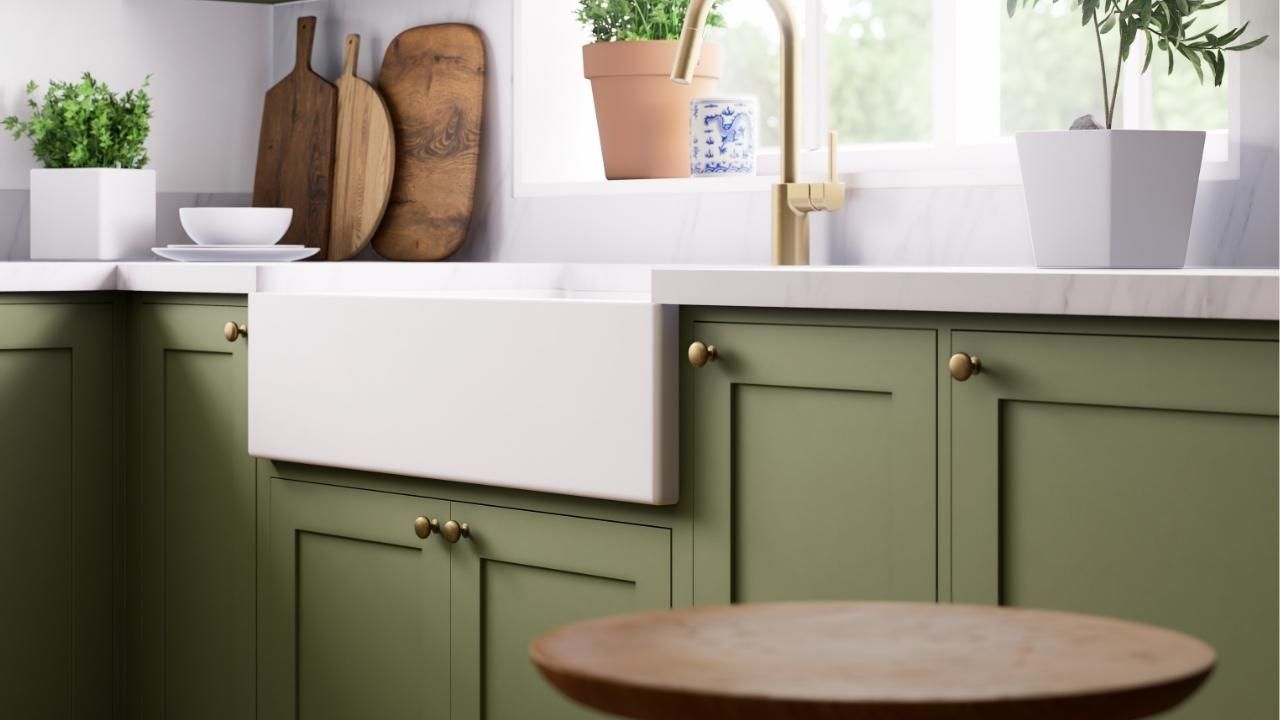
- Existing finishes: Flooring, cabinets, and trim should work with the new shade.
- Mood: Deep colors feel dramatic, while softer tones feel calm and relaxed.
- Sheen: Matte finishes feel subtle, while satin or gloss finishes attract more attention.
Always test paint samples directly on the wall. Small paper swatches rarely show how a color will behave across a large surface. View the samples during the morning, afternoon, and evening before making a final decision.
Texture can also create an accent without relying on a dramatic color. Limewash, geometric patterns, wood details, and specialty finishes can add depth while keeping the palette restrained.
A Short Accent Wall Case Study
A homeowner wanted to refresh a plain living room without replacing the furniture or flooring. They initially planned to paint the longest wall a dark navy, but that surface contained two doorways and received little natural light. Instead, the fireplace wall was selected as the focal point. A muted blue-gray shade was chosen to complement the existing rug and warm wood flooring. The surrounding walls remained soft white, which kept the room bright. After the repaint, the fireplace felt more prominent, the furniture arrangement looked balanced, and the room gained character without appearing smaller or overly dramatic.
Professional Preparation Makes the Difference
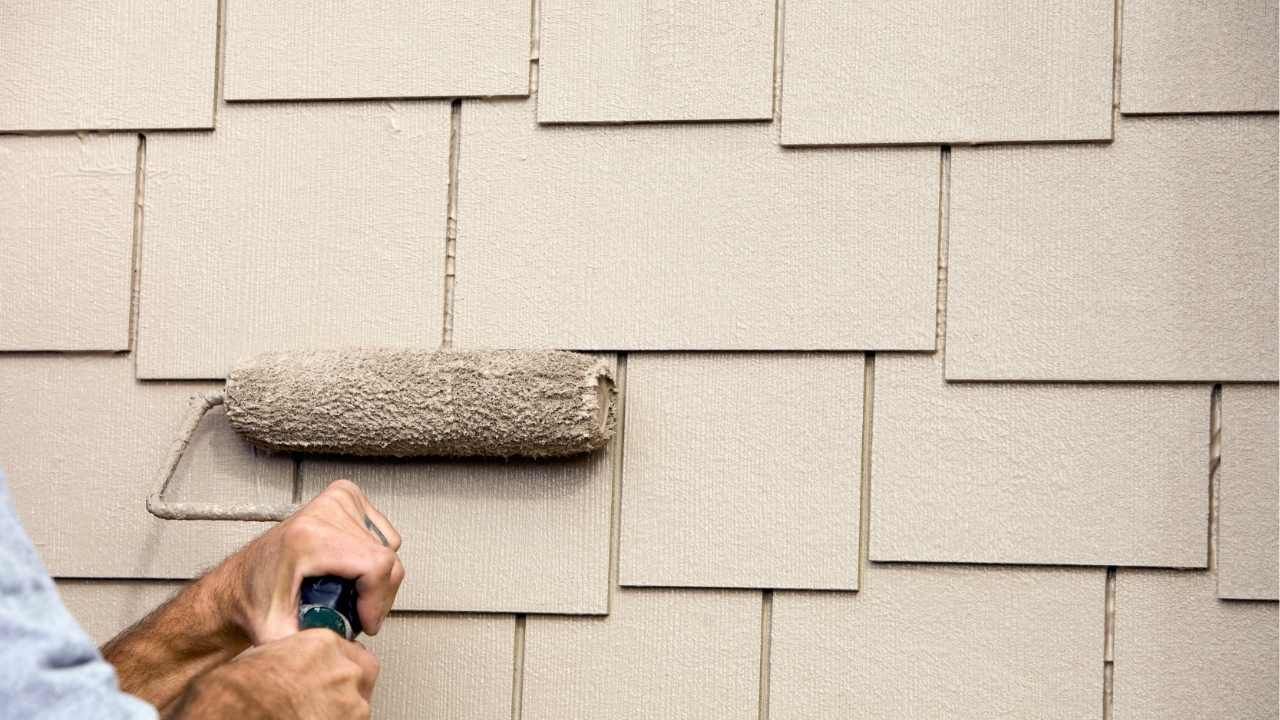
Even the right accent color can look disappointing when the surface is poorly prepared. Accent walls naturally attract attention, which means dents, cracks, uneven texture, and crooked paint lines become more noticeable.
A professional painting process typically includes:
- Protecting floors, furniture, and nearby surfaces
- Cleaning the wall to remove dust and residue
- Filling nail holes, dents, and minor cracks
- Sanding repaired areas until smooth
- Applying primer when needed
- Cutting clean lines around ceilings, trim, and corners
- Applying enough coats for consistent color and coverage
Proper preparation is especially important when using dark or highly saturated colors. These shades tend to expose roller marks, patchy coverage, and surface defects more easily than lighter neutrals.
Make Your Accent Wall Feel Intentional
A successful accent wall should look like it belongs in the room. It needs the right location, a color that supports the existing design, and a finish that stays attractive under different lighting conditions.
Before buying paint, step back and identify the room’s natural focal point. Consider how the color will connect with furniture, flooring, trim, and nearby spaces. When the choice is thoughtful, an accent wall can transform an ordinary room without overwhelming it.
Contact a trusted local painting professional today to explore accent wall colors and finishes that will bring out the best in your home.
Ash Painting Blogs