How Oregon Weather Affects Exterior Paint
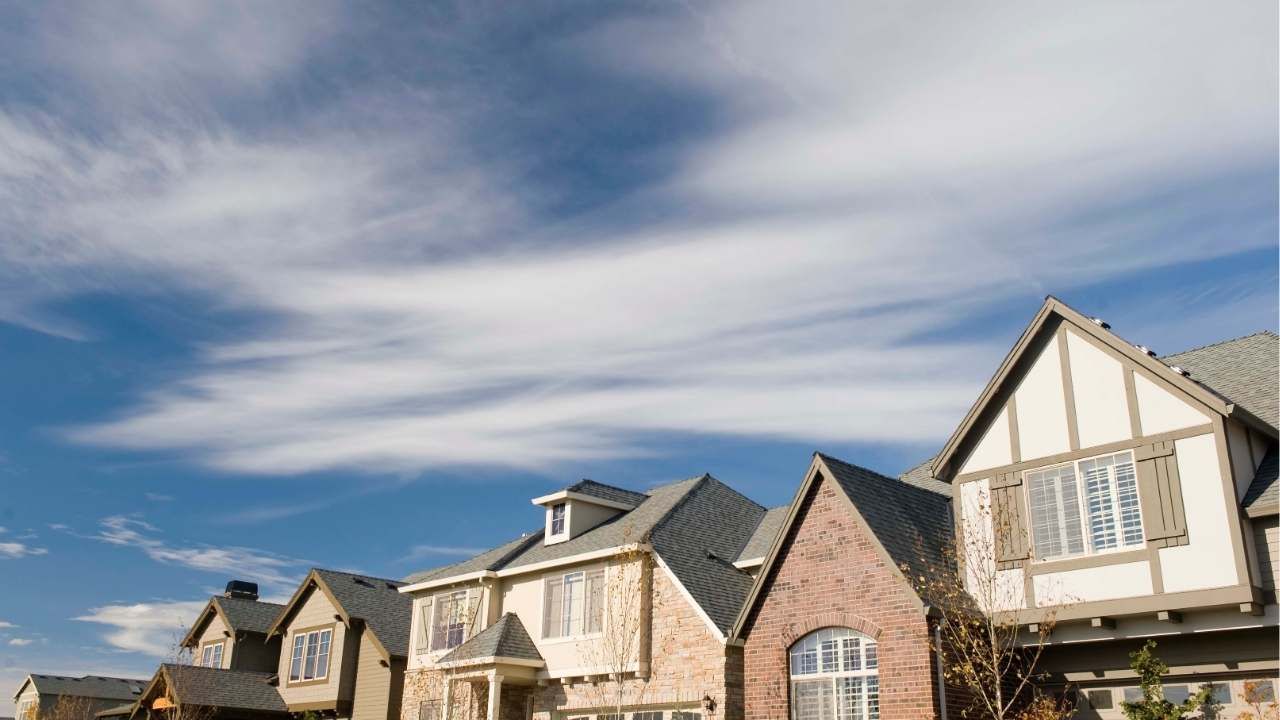
Oregon is beautiful, but it can be rough on a home’s exterior. Rain, sun, wind, snow, and sudden temperature swings all leave their mark on painted surfaces. If your siding looks faded, cracked, chalky, or uneven, the weather may be doing more damage than you realize.
In this guide, you’ll learn how Oregon’s climate affects exterior paint, why preparation matters, and how homeowners can protect their investment with smarter maintenance and better timing.
Why Oregon Weather Is Hard on Exterior Paint
Exterior paint does more than improve curb appeal. It acts like a protective shield between your home and the elements. In Oregon, that shield gets tested year-round.
Homes in wetter parts of the state deal with moisture, mildew, and slow drying conditions. Homes in Central Oregon face a different challenge: stronger sun exposure, dry air, cold winters, and wider temperature swings. That mix can cause paint to expand, contract, fade, and break down faster than expected.
That is why many homeowners turn to local professionals like Ash Painting of Central Oregon when they want advice that fits the region instead of a one-size-fits-all approach. Choosing experienced help matters because Central Oregon painting services often need to account for dry summers, freezing nights, dusty winds, and high UV exposure. Skilled exterior house painters understand how to prep, prime, and coat surfaces so the finish lasts longer.
Moisture Can Lead to Peeling and Mildew
Rain and humidity are two of the biggest enemies of exterior paint. When moisture gets behind paint, it can cause bubbling, peeling, and soft spots in wood siding. Even if the surface looks dry, trapped moisture can create problems underneath.
Common moisture-related paint issues include:
- Peeling near windows, gutters, and trim
- Mildew or dark staining on shaded walls
- Blistering after heavy rain
- Soft or swollen wood beneath old paint
- Paint that fails sooner than expected
The fix starts with preparation. Surfaces need to be cleaned, scraped, sanded, repaired, and allowed to dry before new paint goes on. Painting over damp or damaged areas may look fine at first, but it rarely holds up.
Sun, Wind, and Temperature Swings Cause Fading and Cracking
Central Oregon may not get the constant rain found in western parts of the state, but it has its own paint problems. High desert conditions bring strong sunlight, dry air, wind, and sharp temperature changes between day and night.
UV rays break down paint pigments over time, especially on south- and west-facing walls. Darker colors may fade faster because they absorb more heat. Wind can also blow dust and debris against siding, which slowly wears down the finish.
Temperature swings are another major factor. When siding expands during the day and contracts at night, paint has to move with it. Lower-quality paint or poor surface prep can lead to cracking, flaking, and early failure.
Timing Matters More Than Most Homeowners Think
Painting at the wrong time can shorten the life of the project. If it is too cold, too hot, too windy, or too damp, paint may not bond properly. The best painting windows usually offer mild temperatures, lower wind, and dry conditions.
Before scheduling an exterior paint job, homeowners should consider:
- Recent rain or moisture
- Overnight temperatures
- Direct sun exposure
- Wind conditions
- Surface repairs
- Primer needs
- Paint type and finish
A good paint job is not just about applying color. It is about creating the right conditions for the coating to cure properly.
Short Case Study: A Bend Home With Premature Paint Failure
A homeowner in Bend noticed peeling paint only four years after their last exterior repaint. The worst damage appeared on sun-facing siding and around window trim. After inspection, the likely causes were poor surface prep, skipped primer on exposed wood, and paint applied during windy, dry conditions. The solution included sanding failed areas, repairing damaged trim, using a high-bond primer, and applying a weather-appropriate exterior paint. The new finish looked cleaner, resisted fading better, and gave the homeowner more confidence heading into the next winter.
How to Protect Your Home’s Exterior Paint
The best way to make exterior paint last is to treat it like regular home maintenance, not a once-a-decade project. Walk around your home at least twice a year and look for cracking, peeling, mildew, exposed wood, and failing caulk.
Clean dirty siding, trim back plants, keep gutters working, and fix small paint problems before they spread. When it is time to repaint, choose quality materials and hire professionals who understand local weather patterns.
A strong exterior paint job should look good, protect your home, and stand up to Oregon’s changing climate. If your home is showing signs of weather damage, schedule an exterior paint inspection before small issues become expensive repairs.
Ash Painting Blogs