Patio Cover Installation Guide: Materials, Costs, and Design Options
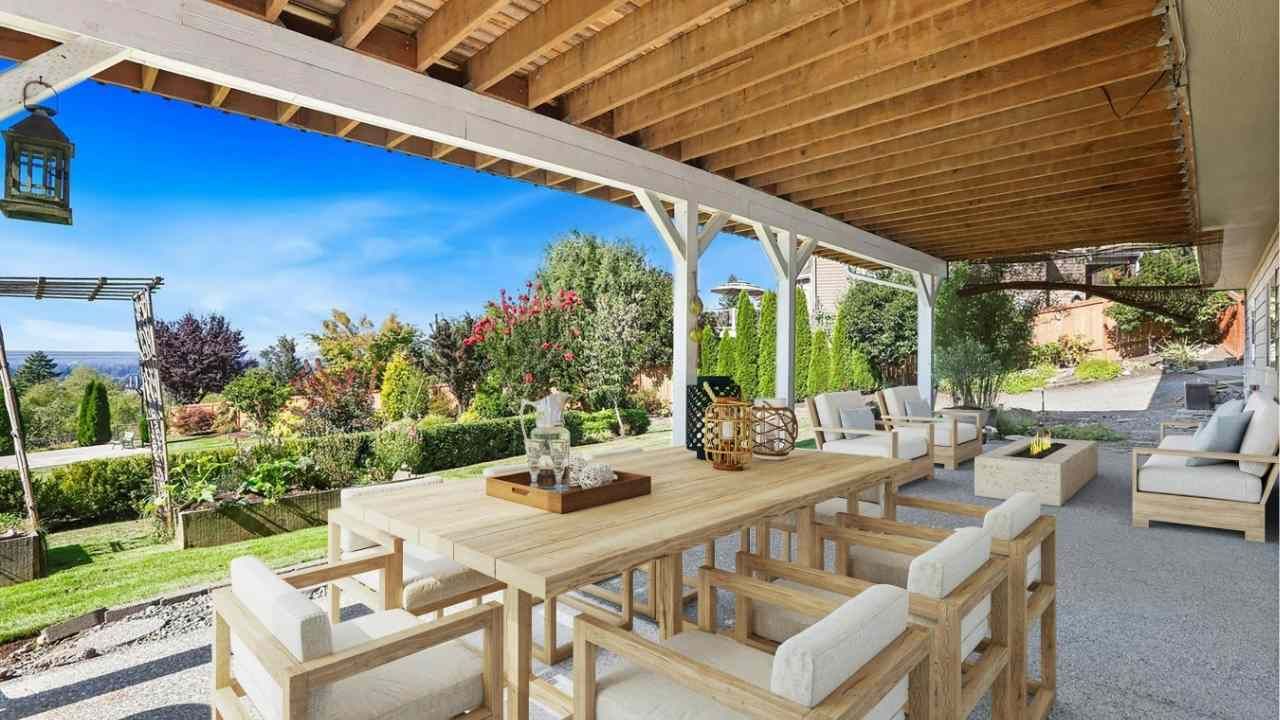
A good patio cover does more than add shade. It can turn a hot, underused outdoor space into a comfortable place for meals, coffee, family gatherings, or quiet evenings after work.
In Central Oregon, where sun, wind, snow, and dry weather all play a role, choosing the right patio cover takes more than picking a style from a catalog. This guide walks through the most common materials, cost factors, design choices, and maintenance tips so homeowners can plan with fewer surprises.
Why a Patio Cover Is Worth Considering
A patio cover can extend your living space without the cost of a full home addition. It helps protect furniture, reduces direct sun exposure, and makes outdoor areas more usable during different seasons.
For homeowners already updating exterior surfaces, it can also make sense to search for a “painting contractor near me in Central Oregon” before finalizing colors, finishes, or trim details. The goal is simple: make the patio cover look like it belongs with the home, not like it was added as an afterthought.
Professional patio cover installation in Central Oregon can also help account for local weather conditions, including snow load, wind exposure, and sun direction. An experienced exterior painting pro may also be useful when wood posts, beams, fascia, or nearby siding need staining, sealing, or repainting after installation.
Common Patio Cover Materials
The material you choose affects the look, cost, upkeep, and lifespan of your patio cover. Each option has trade-offs, so the “right” choice depends on your home, budget, and how much maintenance you are willing to handle.
Wood is warm, classic, and easy to customize. It works well for rustic, craftsman, farmhouse, and traditional homes. The downside is maintenance. Wood needs sealing, staining, or painting to prevent cracking, fading, and moisture damage.
Aluminum is lightweight, durable, and low maintenance. It resists rust and can handle changing weather with less upkeep than wood. Some homeowners find it less natural-looking, but modern aluminum covers come in cleaner, more attractive designs than older versions.
Vinyl is another low-maintenance option. It does not need painting and is easy to clean. However, it may not offer the same strength or high-end look as wood or metal.
Steel is strong and long-lasting, but it is usually more expensive and heavier. It works best for larger structures or modern designs where strength and clean lines matter.
Polycarbonate panels are often used when homeowners want light to pass through while still blocking rain or harsh UV exposure. These panels can work well with metal or wood framing.
What Patio Cover Installation Costs Include
Patio cover costs vary widely. A small, simple cover may cost far less than a custom structure with lighting, ceiling fans, decorative posts, and premium finishes.
Several factors affect the final price:
- Size of the patio area
- Material choice
- Attached vs. freestanding design
- Roof style and pitch
- Labor and permitting
- Electrical additions
- Structural requirements
- Painting, staining, or sealing
A basic patio cover may be more budget-friendly upfront, but a better-built structure can save money over time by needing fewer repairs. Homeowners should also consider long-term maintenance costs, not just installation price.
For example, wood may cost less than some premium metal systems at first, but it may require more frequent finishing. Aluminum may cost more upfront in some cases, but it often requires less routine care.
Design Options That Make a Big Difference
Design matters because a patio cover sits in full view. If the scale, color, or roofline feels wrong, the whole backyard can look awkward.
Start with the shape of your home. A patio cover should match or complement the existing roofline, siding, trim, and outdoor features. A flat cover may suit a modern home, while a gabled or pergola-style design may fit better with a traditional exterior.
Think about how the space will be used. A dining area needs enough covered room for a table and chairs. A lounge area may need deeper shade and room for outdoor furniture. If you plan to add a grill, make sure smoke, heat, and clearance are handled safely.
Lighting is another smart upgrade. Recessed lights, string lights, or wall-mounted fixtures can make the space useful after sunset. Ceiling fans may also help during warmer months, especially in areas with limited airflow.
Short Case Study: A Simple Patio Upgrade That Changed Daily Use
A Central Oregon homeowner had a west-facing patio that became too hot by late afternoon. The space had a concrete slab, outdoor chairs, and a nice mountain view, but the family rarely used it during summer. They chose an attached wood patio cover with a simple shed-style roof and painted posts to match the home’s trim. After installation, they added warm lighting and a small dining set. The project did not change the home’s footprint, but it changed how the family used the backyard. Dinner outside became realistic, furniture lasted longer, and the patio finally felt connected to the house.
Maintenance Tips After Installation
A patio cover is not a “set it and forget it” feature. Even low-maintenance materials need occasional care.
Inspect the structure at least once or twice a year. Look for loose fasteners, peeling paint, clogged gutters, water stains, or cracks. Clean the roof surface when debris builds up, especially after windy weather.
Wood structures need the most attention. Repaint or reseal them before damage starts, not after the surface has already cracked or absorbed moisture. Metal and vinyl covers should be washed as needed to remove dust, pollen, and dirt.
Good maintenance protects both the patio cover and the home exterior around it.
Final Thoughts
A patio cover can make your backyard more comfortable, useful, and attractive, but only when the material, design, and installation fit the home. Think beyond shade. Consider weather, maintenance, structure, color, and how the space will actually be used.
For a smoother project, compare material options, plan your design carefully, and talk with qualified local pros before installation begins.
Ready to upgrade your outdoor space? Start by getting a local estimate and choosing a patio cover design that fits your home, budget, and lifestyle.
Ash Painting Blogs