Commercial Painting Services: A Business Owner’s Guide
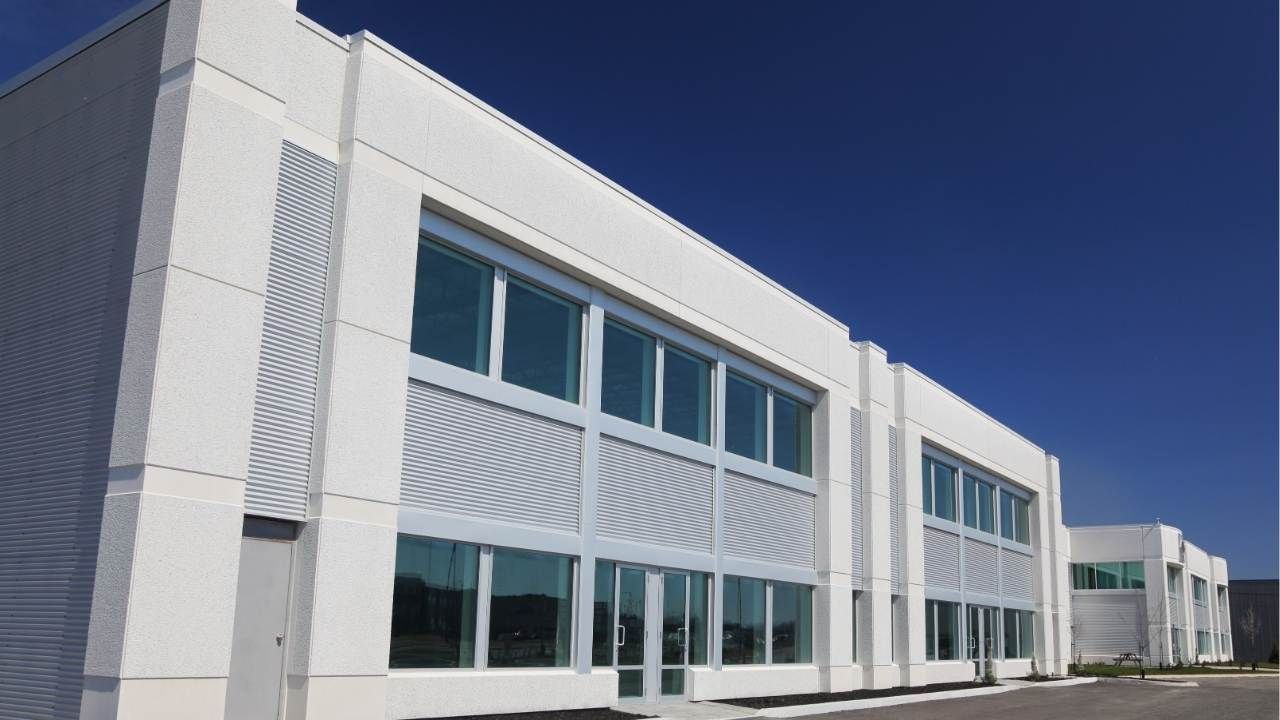
A commercial paint job does more than make a building look clean. It shapes how customers see your business, helps protect the property, and can even improve the experience of the people who work inside it.
Whether you are searching for a local painting contractor in Central OR, comparing Central Oregon painting services, or trying to choose the right painting company, the key is to look beyond the lowest estimate. A reliable commercial painter should understand scheduling, surface preparation, product selection, safety, and the need to keep business interruptions to a minimum.
This guide explains what commercial painting includes, how to plan your project, what affects the cost, and how to choose a contractor who can deliver lasting results.
What Commercial Painting Services Include
Commercial painting is designed for business properties rather than private homes. These projects are often larger, more complex, and subject to stricter timelines and safety requirements.
Commercial painters may work on:
- Offices and professional buildings
- Retail stores and shopping centers
- Restaurants and hospitality properties
- Warehouses and industrial facilities
- Medical and dental offices
- Apartment and condominium complexes
- Schools, churches, and public buildings
- New commercial construction
- Property management turnovers
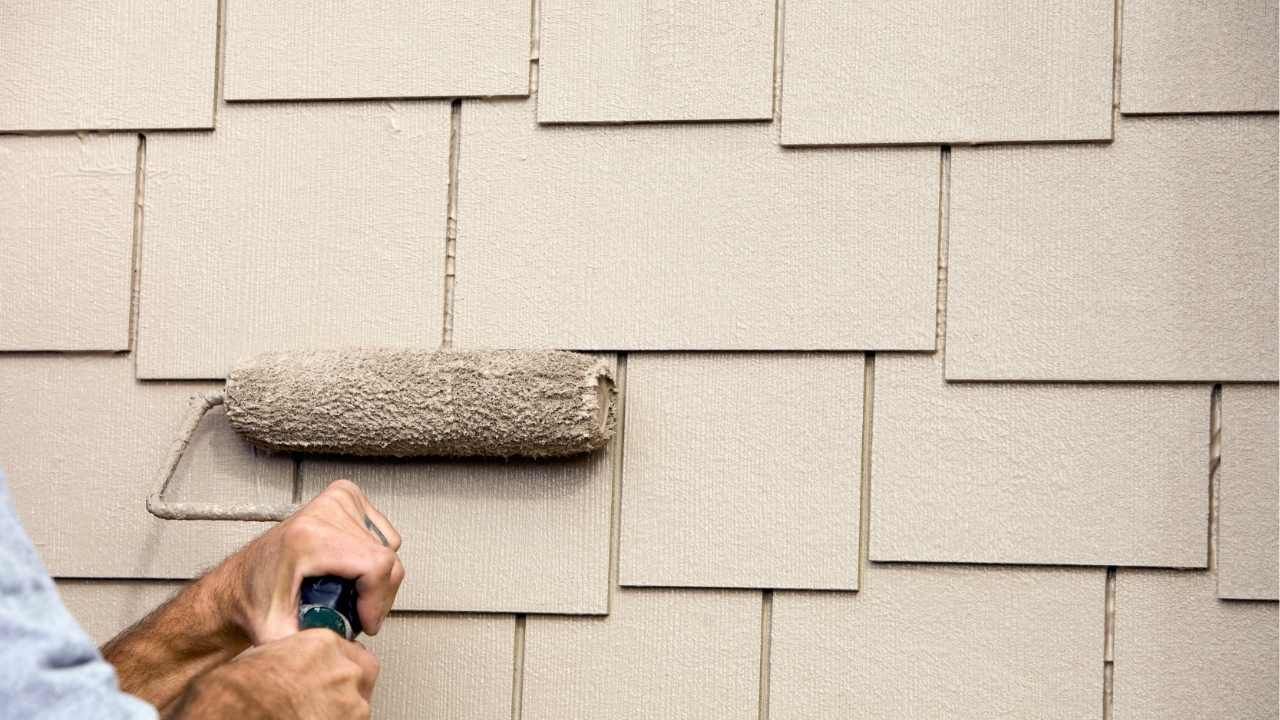
Services can include interior painting, exterior painting, trim and door refinishing, wall repairs, pressure washing, protective coatings, and repainting high-traffic areas.
A professional contractor should begin by evaluating the building’s surfaces and current condition. Peeling paint, moisture damage, rust, cracks, stains, and failing caulk must be addressed before new paint is applied. Covering these problems without repairing them usually leads to premature failure.
Why Commercial Painting Is a Business Investment
It is easy to treat painting as a cosmetic expense. In reality, it can support several important business goals.
Create a Strong First Impression
Customers often form an opinion about a business before speaking with an employee. Faded exterior paint, stained walls, or damaged trim can make a property look neglected.
Fresh, professional paint creates a more polished image. It signals that the business is active, organized, and attentive to detail.
This can be particularly important for businesses that depend on foot traffic, appointments, leasing activity, or client trust.
Protect the Building
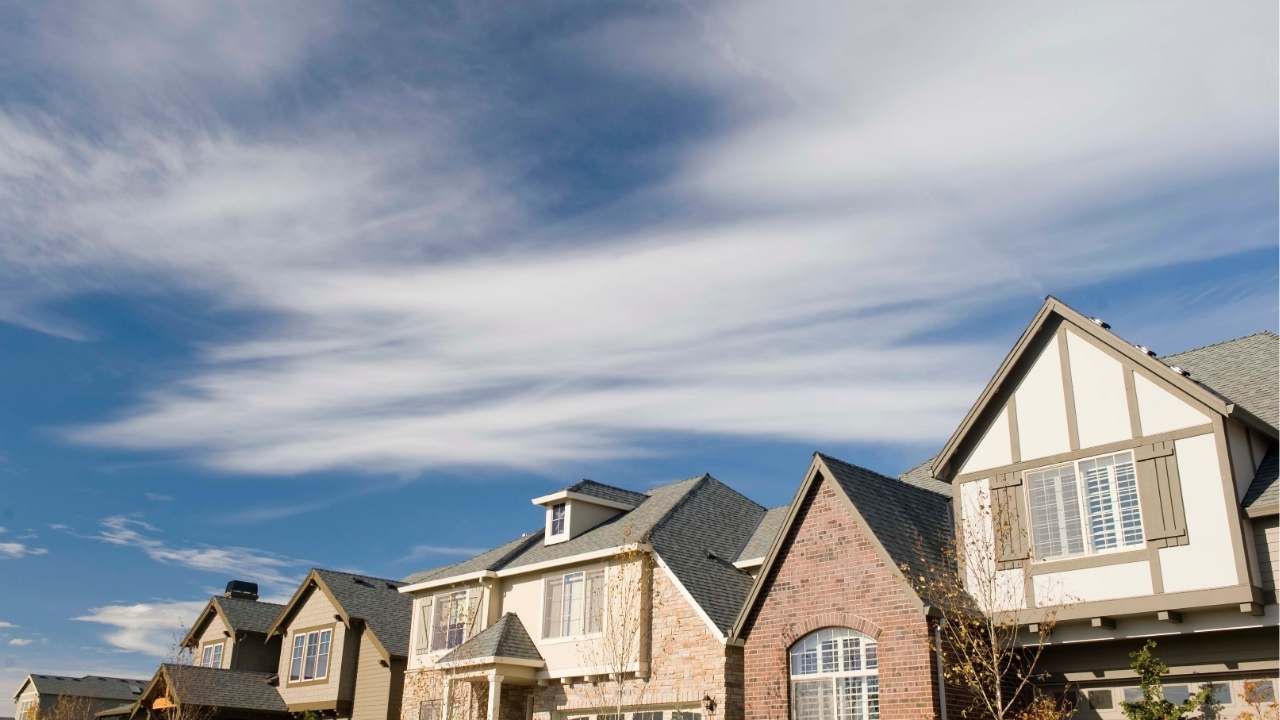
Exterior paint acts as a protective layer against sunlight, moisture, wind, dirt, and changing temperatures. When paint begins to crack or peel, exposed materials can absorb water and deteriorate.
Regular repainting may help prevent:
- Wood rot
- Corrosion
- Moisture intrusion
- Surface cracking
- Premature siding damage
- Costly structural repairs
Interior coatings also protect walls from scratches, stains, cleaning chemicals, and everyday wear.
Improve the Workplace
Color and condition affect how a workplace feels. Clean walls and thoughtful color choices can make an office appear brighter, calmer, and more professional.
A refreshed environment may also improve employee morale. Workers are more likely to feel comfortable in a space that is well maintained.
How to Plan a Commercial Painting Project
Good results begin long before the first coat of paint is applied. Careful planning helps prevent delays, confusion, and unexpected costs.
Define the Project Scope
Start by deciding exactly what needs to be painted. Walk through the property and note the walls, ceilings, doors, trim, railings, siding, and other surfaces that need attention.
Also identify areas that may require repairs. Contractors can provide more accurate estimates when the project scope is clearly defined.
Ask whether the estimate includes:
- Surface preparation
- Minor repairs
- Priming
- Paint and materials
- Equipment and lifts
- Cleanup
- Disposal of debris
- Touch-ups
- Labor outside business hours
A detailed written scope reduces the risk of misunderstandings later.
Consider Business Operations
Commercial properties often need to remain open during painting. This means scheduling is just as important as workmanship.
Depending on the business, painting may need to happen:
- After normal operating hours
- During weekends
- In separate phases
- During seasonal closures
- Around customer appointments
- One room or floor at a time
Ask the contractor how they plan to control noise, dust, odors, equipment, and foot traffic. A capable crew should be able to work around employees and customers without creating unnecessary disruption.
Choose the Right Paint
The least expensive paint is not always the most economical choice. Commercial spaces often require coatings that can handle frequent cleaning, heavy use, moisture, or harsh weather.
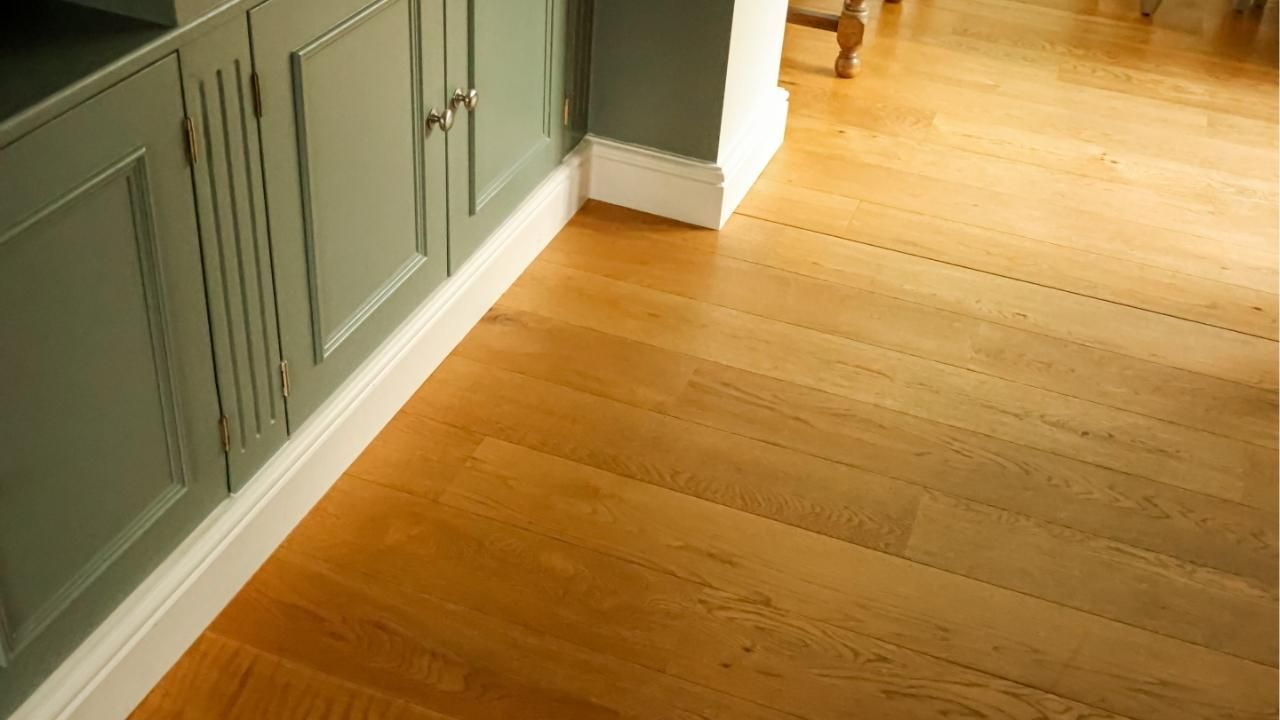
For interiors, washable and scuff-resistant products are useful in hallways, lobbies, offices, and retail spaces. Kitchens, restrooms, and medical settings may require moisture-resistant or specialty coatings.
Exterior products should be selected based on the surface material, exposure, and local climate. The contractor should explain why a particular product is suitable rather than simply offering a brand name.
What Affects Commercial Painting Costs?
Every commercial project is different, so pricing can vary widely. The total cost usually depends on more than square footage alone.
Important cost factors include:
- Building size and height
- Interior or exterior work
- Surface condition
- Amount of preparation required
- Number of paint colors
- Type and quality of coating
- Accessibility
- Equipment requirements
- Repairs and priming
- Work hours and scheduling
- Number of coats
- Furniture or equipment that must be moved
A low estimate may leave out important preparation or include cheaper materials. Before choosing a bid, compare what each contractor is actually providing.
The most useful estimate is not necessarily the cheapest. It is the one that clearly explains the work, materials, timeline, and responsibilities.
Short Case Study: Updating an Aging Office
A regional service business operated from an office that had not been repainted in nearly a decade. The exterior was faded, the lobby walls were marked, and several offices had visible patchwork from previous repairs. Management wanted a cleaner appearance but could not close during the week. The project was divided into phases, with interior work completed after hours and exterior work scheduled around customer traffic. Durable, washable coatings were used in the lobby and hallways. After completion, the building looked more modern, employees reported that the workplace felt brighter, and customers began commenting on the improvement. Careful scheduling allowed the business to remain fully operational.
How to Choose a Commercial Painting Contractor
The quality of the contractor has a direct effect on the appearance, durability, and efficiency of the project.
Before hiring anyone, ask about their experience with commercial properties similar to yours. Residential painting experience alone may not prepare a crew for working around business operations, managing large teams, or following commercial safety requirements.
Look for a contractor who provides:
- A detailed written estimate
- Proof of insurance
- Clear project scheduling
- Product recommendations
- Surface preparation details
- References or project examples
- A designated point of contact
- Cleanup and final inspection procedures
- Written warranty information
Communication matters. A contractor should respond clearly, explain the process, and identify potential challenges before work begins.
Be cautious of vague estimates, large upfront payment demands, missing insurance information, or promises that seem unrealistic. Rushed preparation and unclear scheduling can create problems that cost more to correct later.
Questions to Ask Before Signing a Contract
A few direct questions can reveal how prepared and professional a contractor is.
Ask:
- Who will supervise the project?
- How will you protect floors, furniture, landscaping, and equipment?
- What preparation is included?
- Which paint products will be used?
- How many coats are included?
- How will change orders be handled?
- What is the projected start and completion date?
- Can the work be completed outside business hours?
- What happens if weather causes a delay?
- Is the workmanship covered by a warranty?
The answers should be specific. A professional should be able to explain the process without avoiding details.
Prepare Your Business for Painting
Before the crew arrives, create a simple plan for employees, customers, and access.
Inform staff about the schedule and identify rooms or entrances that may be temporarily unavailable. Remove valuable items, confidential documents, and fragile equipment from the work area. Confirm where the crew can park, store materials, and access water or power.
For exterior work, notify tenants or neighboring businesses when lifts, ladders, or blocked walkways may affect access.
Preparation on both sides helps the project move faster and reduces last-minute disruptions.
Give Your Property the Professional Finish It Deserves
Commercial painting should improve your building without creating unnecessary problems for your business. The right contractor will prepare surfaces correctly, use suitable materials, communicate clearly, and schedule the work around your operations.
Do not wait until peeling paint and damaged surfaces begin affecting your property’s appearance or condition.
Schedule a professional painting assessment today and get a clear plan for refreshing and protecting your commercial space.
Ash Painting Blogs