Fence Building and Fence Maintenance Guide for Homeowners

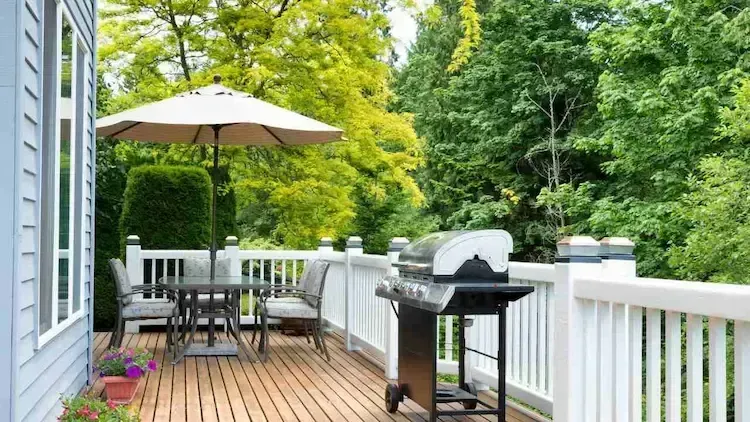
A good fence does more than mark the edge of your yard. It protects privacy, adds curb appeal, keeps pets safer, and helps your home feel more finished. But like any outdoor feature, a fence only performs well when it is built correctly and maintained before small problems turn expensive.
In this guide, homeowners will learn what to consider before building a fence, how to choose the right material, and how to keep a fence looking sharp year after year.
Start With the Purpose of Your Fence
Before choosing boards, posts, colors, or hardware, think about what you need the fence to do. A privacy fence has different requirements than a decorative front-yard fence. A fence for dogs may need stronger gates and tighter spacing. A fence near a garden may need airflow, sunlight, and easy access.
Homeowners should consider:
- Privacy from neighbors or street traffic
- Pet and child safety
- Property line visibility
- Wind exposure
- HOA or city rules
- Long-term maintenance costs
Many homeowners already work with exterior professionals such as a residential painter in Central Oregon when improving curb appeal, and the same planning mindset applies to fencing. The better the prep work, the better the finished result.
Choose the Right Fence Material
Fence materials vary in price, appearance, lifespan, and upkeep. Wood remains one of the most popular choices because it looks warm, natural, and customizable. Cedar and pressure-treated lumber are common options, especially for privacy fences and backyard enclosures.
Vinyl is another popular choice because it resists rot and does not need painting. It costs more upfront, but maintenance is usually simple. Metal fencing, including aluminum or steel, works well for decorative security and open views, though it may not provide much privacy unless combined with landscaping.
If you are comparing options, professional Central Oregon fence-building services can help you choose a material that fits the local climate, your budget, and your home’s style. This matters because sun, snow, rain, and dry seasonal conditions can all affect how a fence ages.
Build It Right From the Ground Up
A fence is only as strong as its posts. Poor post installation is one of the biggest reasons fences lean, sag, or fail early. Posts should be set deep enough, spaced correctly, and anchored for the soil conditions on your property.
Gate placement also deserves careful thought. A gate should be wide enough for lawn equipment, trash bins, or backyard projects. Hinges and latches should be strong, weather-resistant, and easy to use.
During installation, pay attention to:
- Accurate property lines
- Proper post depth
- Drainage around posts
- Level rails and panels
- Smooth gate swing
- Durable screws or fasteners
Cutting corners during installation usually costs more later. A fence that looks fine on day one can start shifting quickly if the structure underneath is weak.
Keep Your Fence Clean and Protected
Maintenance depends on the material, but every fence benefits from routine inspection. Walk along your fence at least twice a year and look for loose boards, leaning posts, rust, mildew, cracked paint, or insect damage.
Wood fences need the most care. Cleaning, sealing, and fence painting and staining help protect the surface from moisture, sun damage, and premature aging. Stain is often a smart choice because it soaks into the wood and highlights the natural grain, while paint gives stronger color coverage but may peel if the surface is not prepared properly.
Vinyl fences can usually be cleaned with mild soap and water. Metal fences should be checked for rust, chipped coating, and loose hardware. Small repairs are easier and cheaper when handled early.
Short Case Study: A Fence Saved Before Replacement
A homeowner noticed their backyard wood fence looked gray, dry, and slightly uneven after several harsh seasons. At first, they assumed full replacement was the only option. After inspection, the posts were still solid, but several boards were loose, and the surface needed cleaning and protection. The repair team replaced damaged boards, tightened hardware, power-washed the fence, and applied a fresh stain. Instead of paying for a brand-new fence, the homeowner extended the fence’s life and improved the look of the entire backyard.
Final Thoughts
A fence is a long-term investment, not just a weekend project. The right material, solid installation, and steady maintenance can help it last for years while keeping your property attractive and functional.
For best results, inspect your fence this season and handle small repairs before weather, moisture, and time turn them into bigger problems.
Ready to improve your property? Schedule a fence inspection or quote today and protect your outdoor space with confidence.