Using Paint to Create Study, Sleep, and Hangout Zones
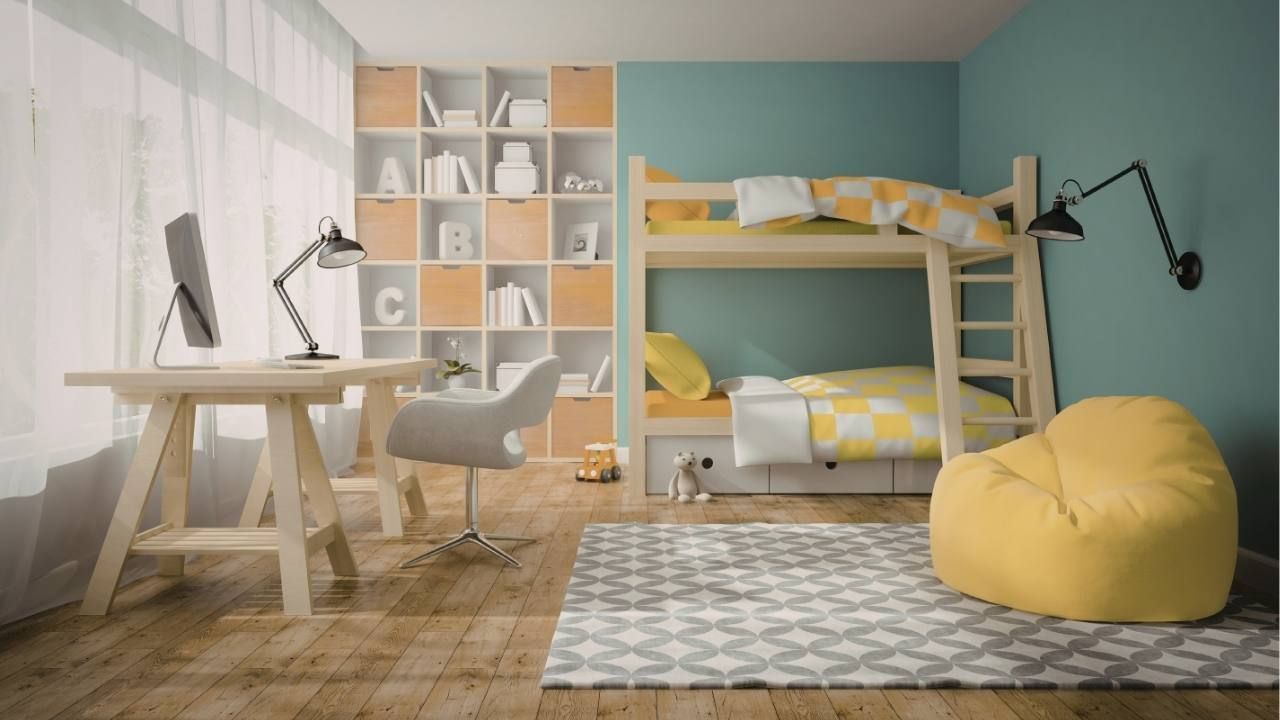
A single room can serve multiple purposes, but without clear boundaries, it quickly feels chaotic. The good news? You don’t need walls or expensive renovations to fix it. With the right paint strategy, you can visually divide your space into functional zones that actually work.
In this guide, you’ll learn how to use color to create distinct areas for studying, sleeping, and relaxing while keeping everything cohesive and stylish.
Why Paint Is the Simplest Way to Define Space
Paint is one of the most affordable and flexible tools you can use to transform a room. Instead of relying on furniture placement alone, color gives you a clear visual cue for how each part of the space should be used.
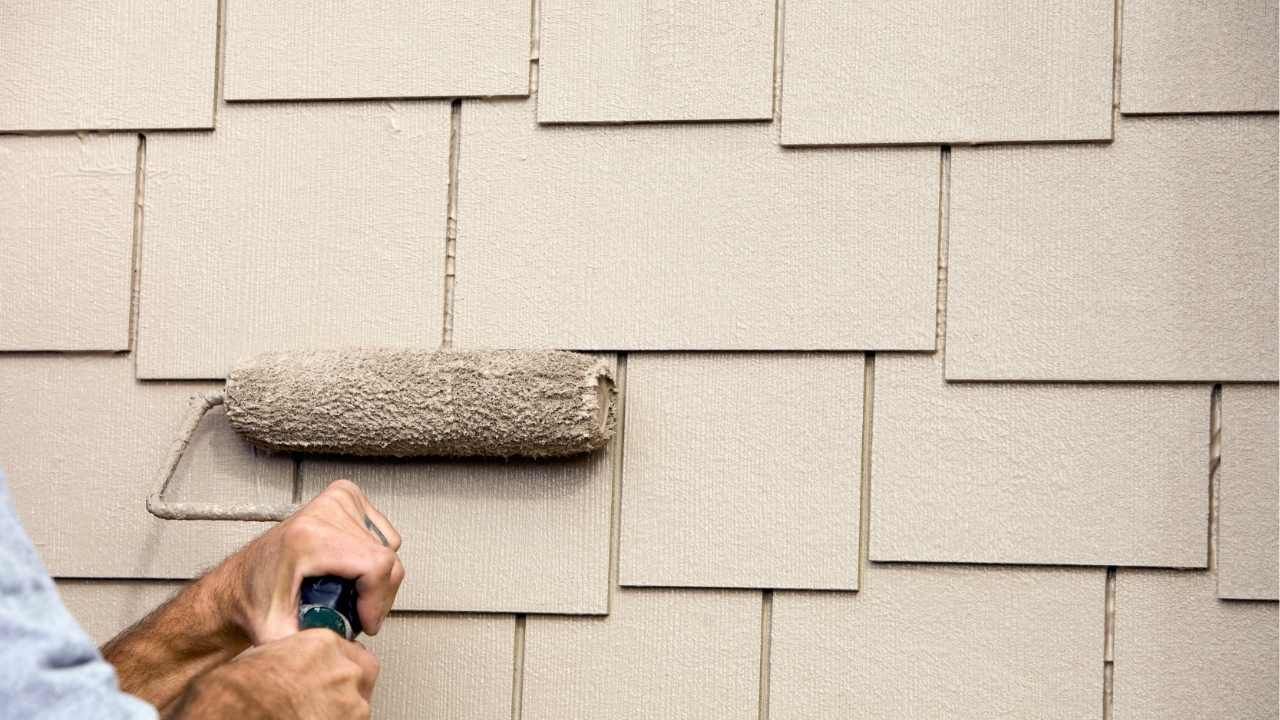
Many homeowners turn to a local painting contractor in Central OR for guidance because choosing the right tones and applying them correctly, can make or break the final result. Professional painting services can also ensure clean lines and a polished finish that elevates the entire room.
When done right, paint creates structure without making the space feel boxed in.
Designing a Focused Study Zone
Your study area should feel calm, organized, and distraction-free. Color plays a huge role in setting that tone.
Best colors for productivity:
- Soft blues to promote focus and clarity
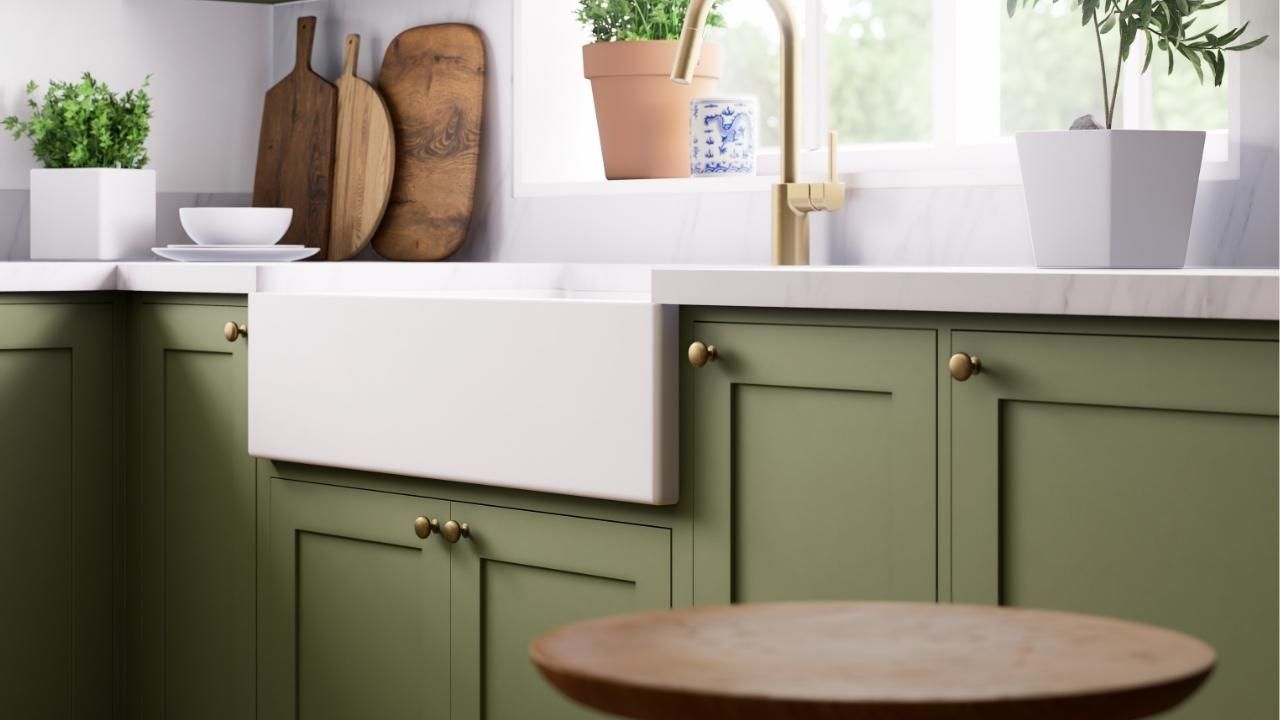
- Muted greens to reduce eye strain
- Neutral tones like light gray or beige for a clean backdrop
Smart paint ideas:
- Use an accent wall behind your desk to anchor the space
- Paint a rectangular “frame” on the wall to visually define your workspace
- Keep the palette subtle to avoid overstimulation
The goal here is simple: create a zone that tells your brain it’s time to work.
Creating a Restful Sleep Zone
Your sleep area should feel like a retreat, even if it’s just a corner of a larger room. This is where deeper, more soothing tones come into play.
Ideal colors for relaxation:
- Deep navy or charcoal for a cocoon-like effect
- Warm taupe or soft earth tones for comfort
- Dusty lavender or muted blush for a calming touch
Practical tips:
- Paint the wall behind your bed a darker shade to create depth
- Extend the color slightly onto the ceiling for a cozy feel
- Avoid bright or high-contrast colors that disrupt rest
A trusted local painting expert will often recommend matte or eggshell finishes here to reduce glare and enhance the calming atmosphere.
Building a Comfortable Hangout Zone
This is your social space: the area where you unwind, watch shows, or spend time with friends. It should feel inviting, energetic, and a little more expressive.
Great color choices:
- Warm neutrals like cream or sand
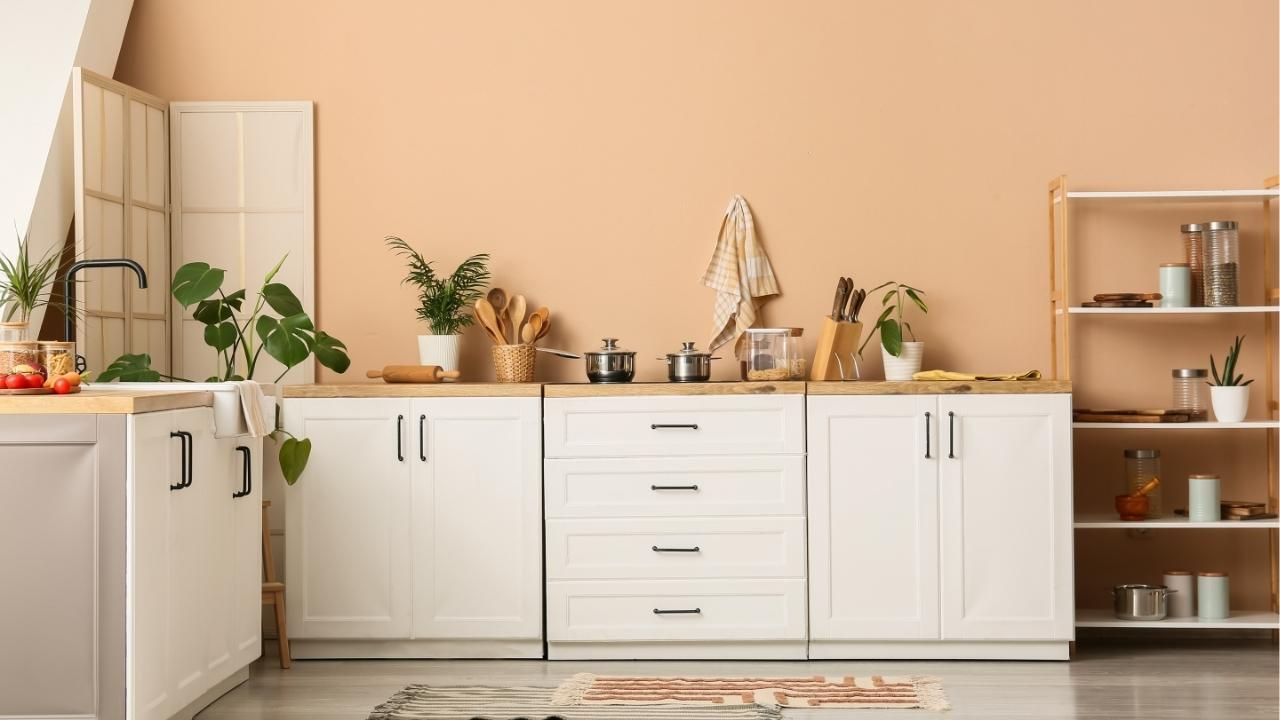
- Earthy terracotta or muted mustard
- Soft accent colors that add personality without overwhelming
Creative approaches:
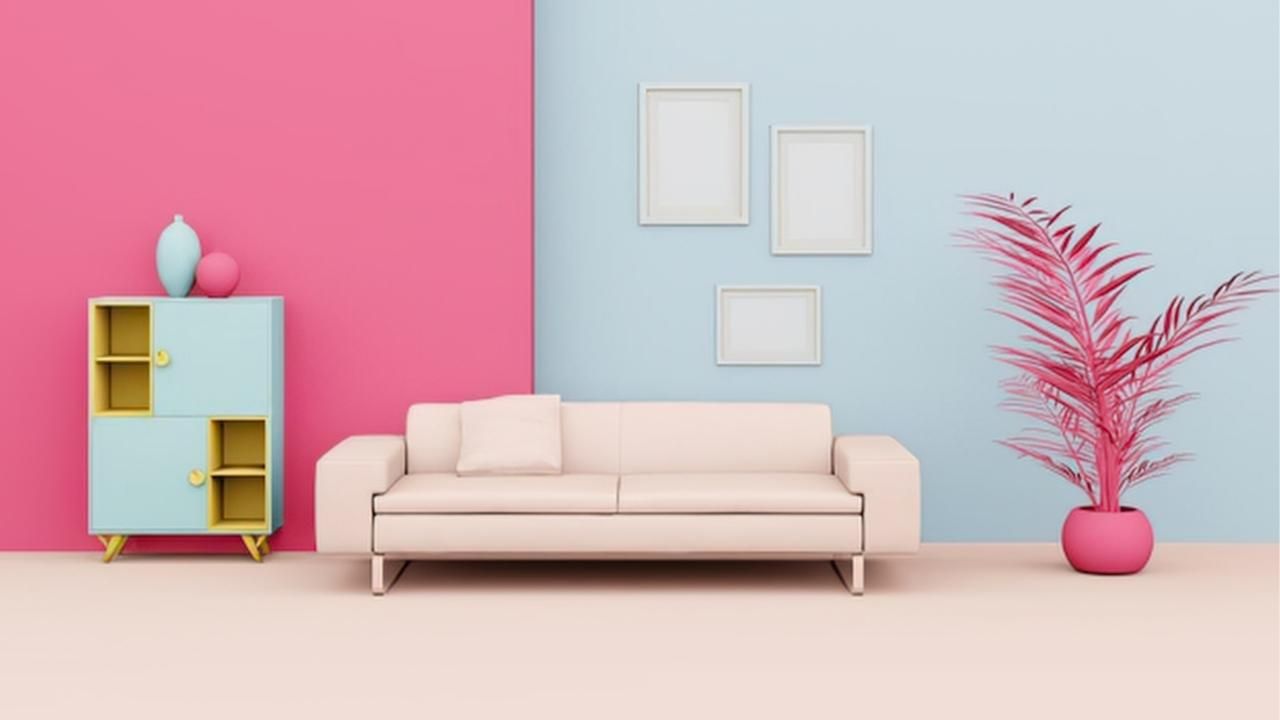
- Use two-tone walls to separate the hangout area from the rest of the room
- Try a painted arch or geometric design to highlight seating areas
- Incorporate slightly brighter tones to encourage relaxation and conversation
This zone should feel effortless and welcoming, not overly designed.
Blending Zones Without Clashing
The biggest mistake people make is treating each zone like a completely separate room. That’s how you end up with a space that feels disjointed.
Instead, aim for color harmony:
- Stick to a consistent undertone (warm or cool) across all zones
- Use complementary shades from the same color family
- Repeat small accents to tie everything together
Think of your room as a single story with different chapters, not three unrelated spaces.
Case Study: Turning One Bedroom into Three Functional Spaces
A young professional working remotely struggled with a cramped bedroom that doubled as an office and lounge. The space felt cluttered and unfocused.
They used paint to define each area:
- A soft blue accent wall behind the desk for the study zone
- A deep charcoal backdrop for the bed to create a sleep-focused retreat
- A warm beige tone for the seating area to establish a relaxed hangout space
The result? A room that felt larger, more organized, and easier to use throughout the day without moving a single wall.
Final Thoughts
You don’t need more space, you need smarter design that works with how you live every day. With the right paint choices, you can turn one room into a highly functional, visually balanced environment that supports productivity, rest, and relaxation. If you’re ready to transform your space with confidence,
contact ustoday to get started.
Ash Painting Blogs