What Are Soffits and Fascia—and Why You Should Keep Them Painted
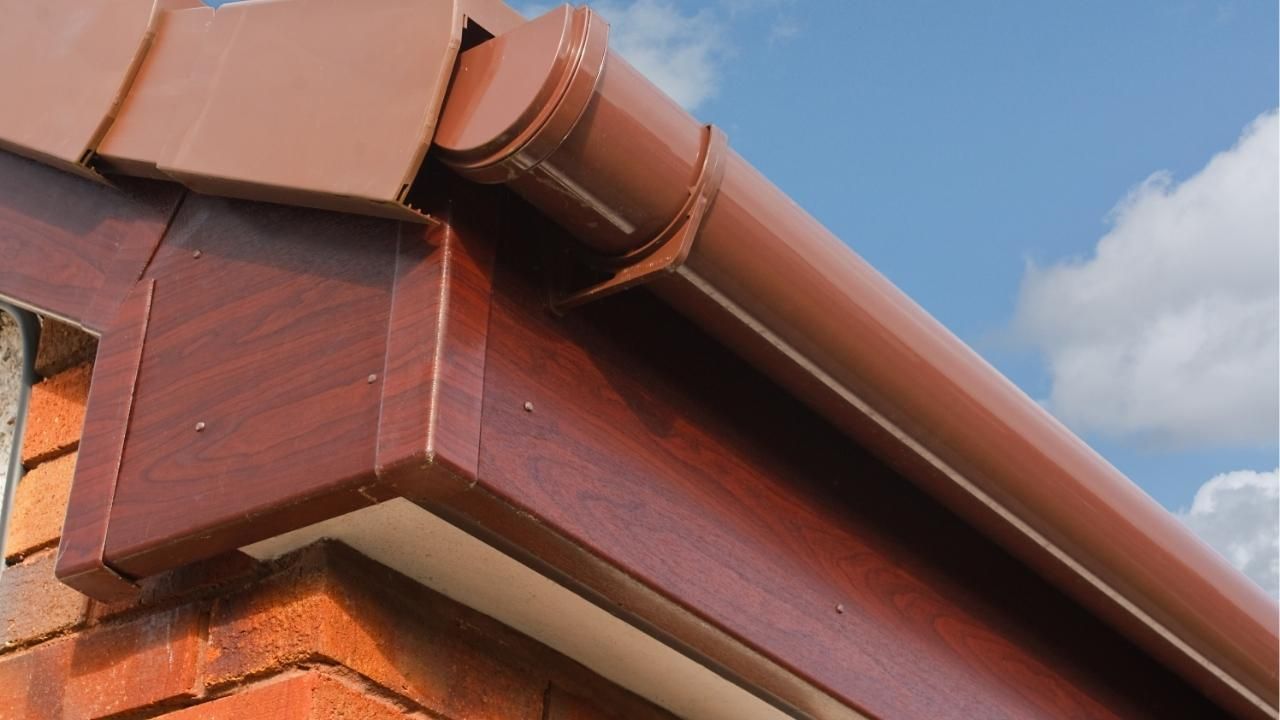
Most homeowners barely notice soffits and fascia, until they start peeling, rotting, or attracting pests. These trim elements quietly protect your roofline every single day, and when they’re ignored, problems show up fast and get expensive. If you’ve ever talked to an exterior painter in Central Oregon, you’ve probably heard that these areas matter more than people think.
In this article, you’ll learn what soffits and fascia actually do, why paint is more than just cosmetic, and how smart maintenance can save you from bigger repairs. We’ll also cover what to watch for and when to call a trusted local expert like Ash Painting of Central Oregon or another experienced exterior painting pro.
What Soffits and Fascia Actually Do
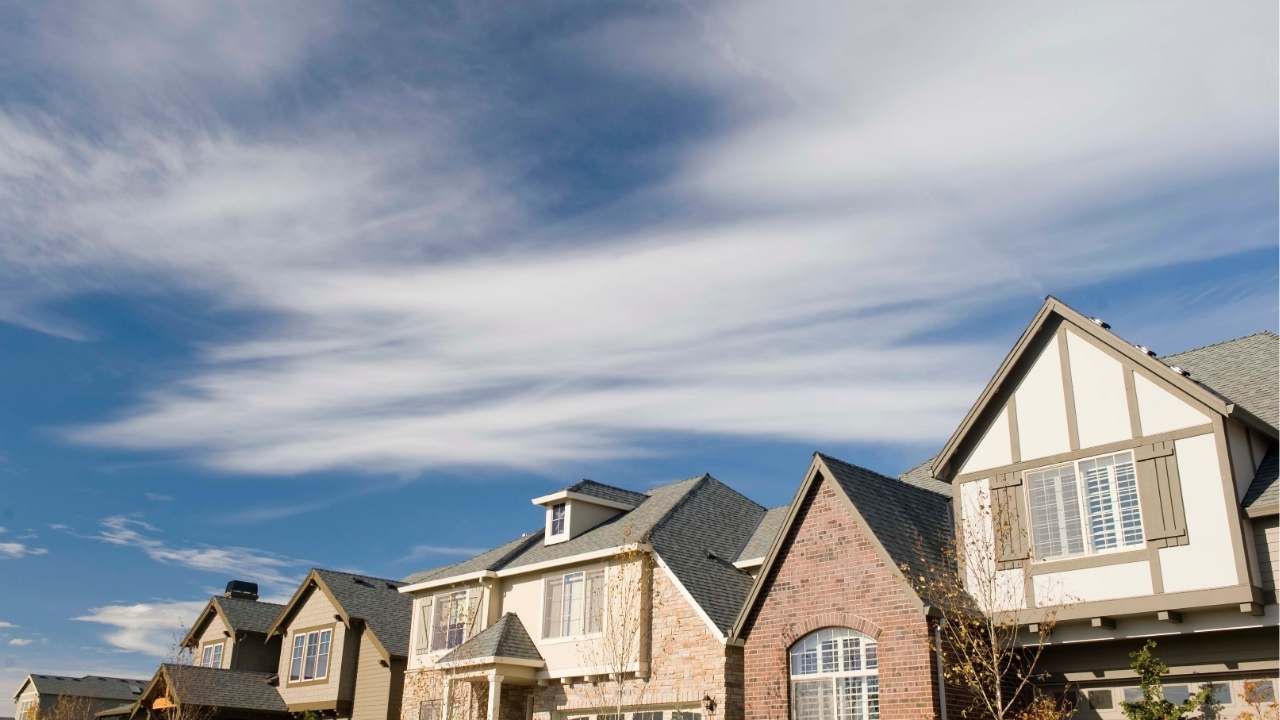
Soffits are the panels tucked under your roof’s overhang. Their job is ventilation. They allow air to flow into the attic, helping regulate moisture and temperature. Without them, heat and condensation build up, shortening the life of your roof.
Fascia is the vertical board that runs along the roof edge. It supports the bottom row of shingles and holds your gutters in place. When fascia weakens, gutters sag, water spills where it shouldn’t, and rot can spread into the roof structure.
Together, soffits and fascia act as your home’s first line of defense against moisture, pests, and structural damage.
Why Paint Is Protection, Not Decoration
Paint on soffits and fascia isn’t about curb appeal alone. It’s a protective coating that shields wood and composite materials from rain, sun, and temperature swings.
Here’s what a good paint job actually does:
- Seals out moisture that causes swelling and rot
- Reflects UV rays that break down exposed materials
- Makes surfaces harder for insects and birds to damage
- Extends the lifespan of gutters and roof edges
Unpainted or peeling trim absorbs water fast. Once that happens, repairs usually mean replacement, not touch-ups.
Warning Signs You Shouldn’t Ignore
Soffits and fascia tend to fail quietly. By the time water stains appear indoors, the damage is already advanced.
Watch for:
- Peeling or bubbling paint along roof edges
- Soft or spongy wood when lightly pressed
- Visible gaps where birds or insects can enter
- Gutters pulling away from the house
Catching these early turns a costly rebuild into a straightforward repaint.
A Quick Case Study: Small Fix, Big Savings
A Central Oregon homeowner noticed flaking paint and minor wood discoloration along their fascia after a harsh winter. Instead of waiting, they scheduled a professional repaint and minor repair. The painter sealed exposed wood, replaced a short damaged section, and applied weather-rated exterior paint. Total cost: a few thousand dollars. A year later, a neighbor with similar damage waited too long and faced full fascia replacement and gutter rehanging, nearly four times the cost. Preventive painting made the difference.
When to Repaint and Who to Call
Most soffits and fascia should be repainted every 7–10 years, sooner if they face intense sun or heavy moisture. The key is using exterior-grade paint and proper prep; scraping, sealing, and priming before the first coat goes on.
If your trim hasn’t been checked in years, now’s the time. Schedule an inspection, deal with small issues early, and protect the parts of your home that quietly hold everything together
Ash Painting Blogs