Exterior Painting Tips for Historic Homes and Older Properties
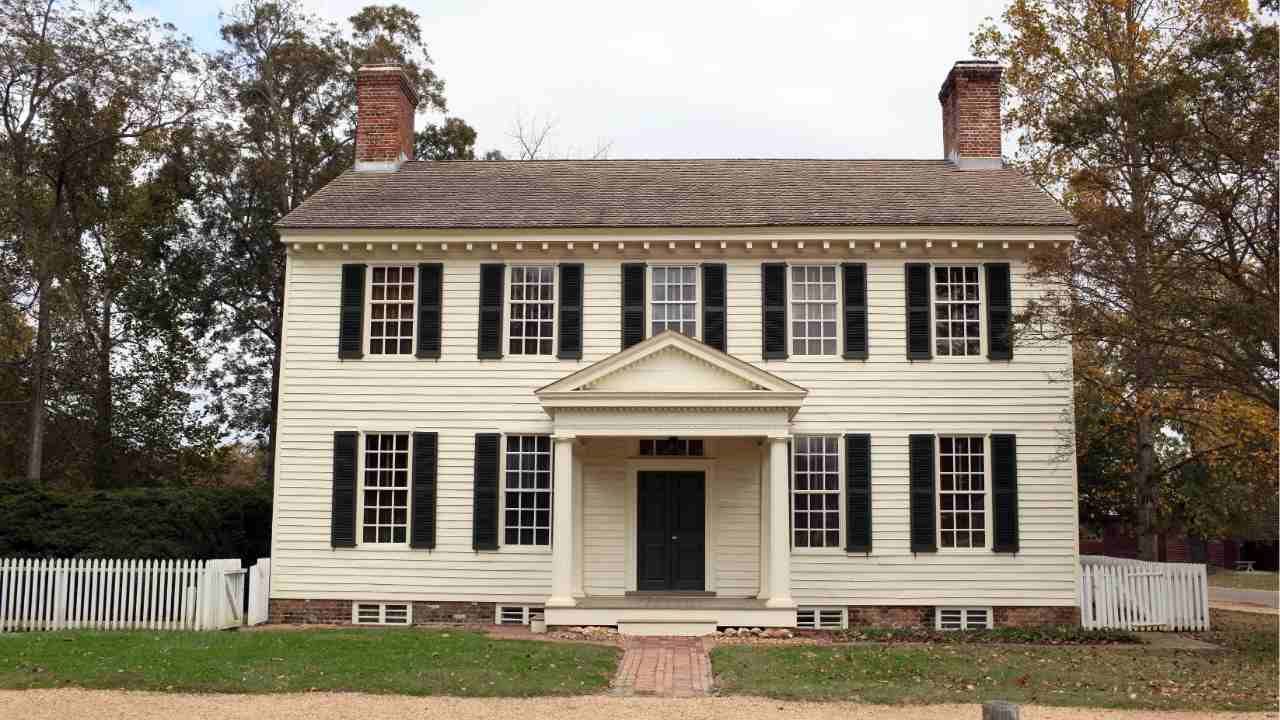
Historic homes have character you can’t fake. The trim tells stories, the siding has seen decades of weather, and every detail matters. That’s why exterior painting isn’t just about fresh color, it’s about preservation done right.
In this guide, you’ll learn how to protect an older home’s charm while giving it long-lasting curb appeal. We’ll cover prep, materials, color choices, and when to call in expert help so you don’t accidentally erase history with a bad paint job.
If you own a historic or aging property, working with a house painter contractor in Central Oregon who understands older structures, like Ash Painting can save you from costly mistakes that modern homes simply don’t face. An experienced exterior painting pro knows that old homes demand a different playbook.
Understand What You’re Painting Before You Paint It
Older homes weren’t built with today’s materials. Many historic properties use wood siding, lime-based plaster, or masonry that needs to breathe. Slapping modern paint over the wrong surface can trap moisture and cause rot, peeling, or cracking within a year.
Before any paint is chosen, identify:
- Original siding materials
- Existing paint type (oil vs. latex)
- Areas with moisture damage or wood rot
Testing a small area can reveal how the surface reacts. Skipping this step is one of the fastest ways to ruin an otherwise beautiful home.
Prep Work Is Non-Negotiable on Historic Homes
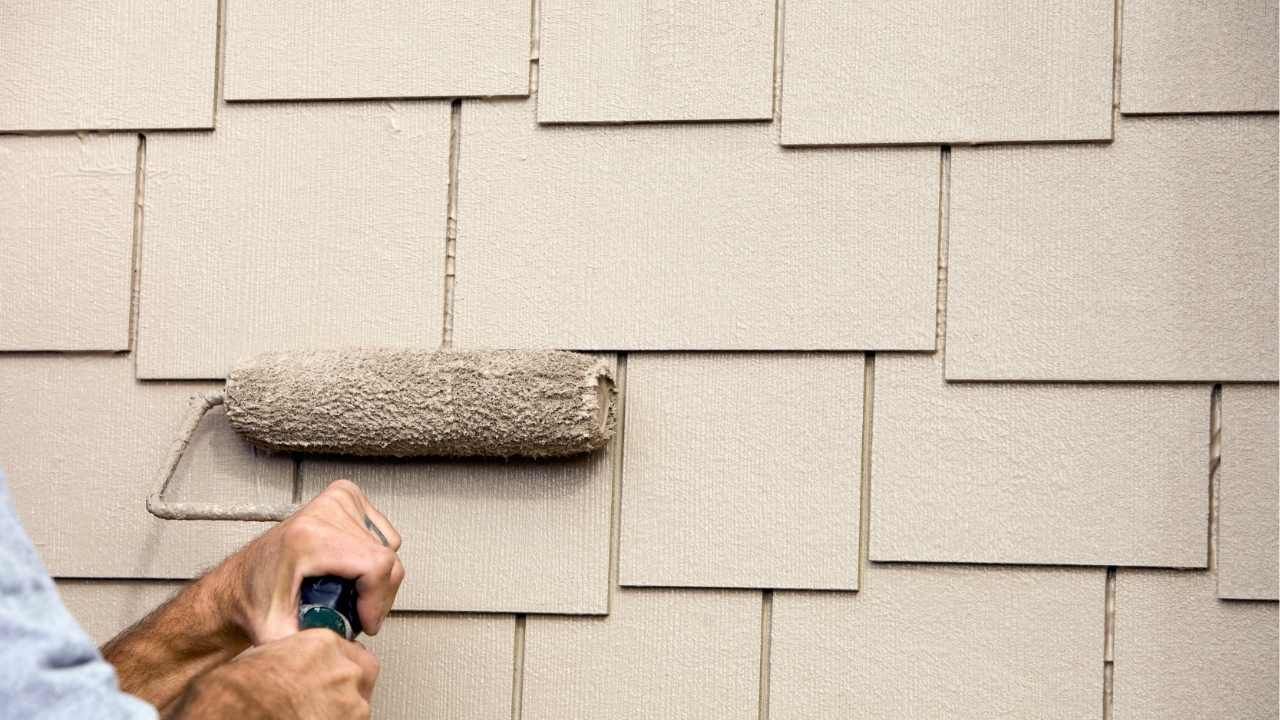
Prep is where most exterior paint jobs succeed or fail. Older homes usually need more of it, not less. Expect extra time spent scraping loose paint, repairing wood, and sanding delicate trim without damaging details.
Key prep steps include:
- Gentle paint removal (no aggressive power washing)
- Wood repairs using compatible fillers
- Proper priming to seal aged surfaces
Rushing prep might save time today, but it shortens the life of your paint job dramatically.
Choose Paint That Protects Without Smothering
Historic homes often need breathable paints that allow moisture to escape. High-quality exterior paints designed for older materials help prevent blistering and decay.
When selecting paint:
- Avoid overly thick coatings
- Choose finishes that match the home’s era
- Use primers made for aged or porous surfaces
Flat or satin finishes are often better choices than high-gloss, which can look out of place and highlight imperfections.
Respect the Home’s Original Color Story
Color isn’t just personal taste when it comes to historic homes. Many neighborhoods and preservation boards encourage era-appropriate palettes that reflect the home’s original style.
Tips for choosing the right colors:
- Research the home’s architectural period
- Use accent colors to highlight trim and details
- Avoid trendy shades that date quickly
Done right, the correct color scheme enhances authenticity and boosts property value.
Know When DIY Becomes a Risk
Painting a historic home isn’t a weekend project. Working on tall structures, fragile trim, and aging materials comes with real risks, both to you and the house.
Professional painters bring:
- Specialized tools for delicate surfaces
- Knowledge of historic-safe materials
- Experience spotting hidden damage early
That expertise often costs less than fixing mistakes after the fact.
Preserve First, Paint Second
Exterior painting on historic homes is about stewardship. When you respect the structure, materials, and history, the results last longer and look better with age. Take the time to plan carefully or
get in touchwith professionals who already know how and your home will keep telling its story for decades to come.
Ash Painting Blogs