Modern vs. Traditional: Paint Styles for Every Design Preference
Choosing a paint style isn’t just about color, it’s about identity. The walls of your home quietly signal whether you lean bold and contemporary or warm and timeless. If you’ve ever stood in a paint aisle feeling torn, you’re not alone.
In this guide, you’ll learn how modern and traditional paint styles differ, where each one shines, and how to choose the right look for your space. Homeowners working with house painters in Central Oregon often face this exact decision, especially when balancing personal taste with resale value. Local experts like Ash Painting of Central Oregon often remind clients that the best results come from pairing the right style with high-quality professional painting services, not chasing trends blindly.
What Defines a Modern Paint Style?
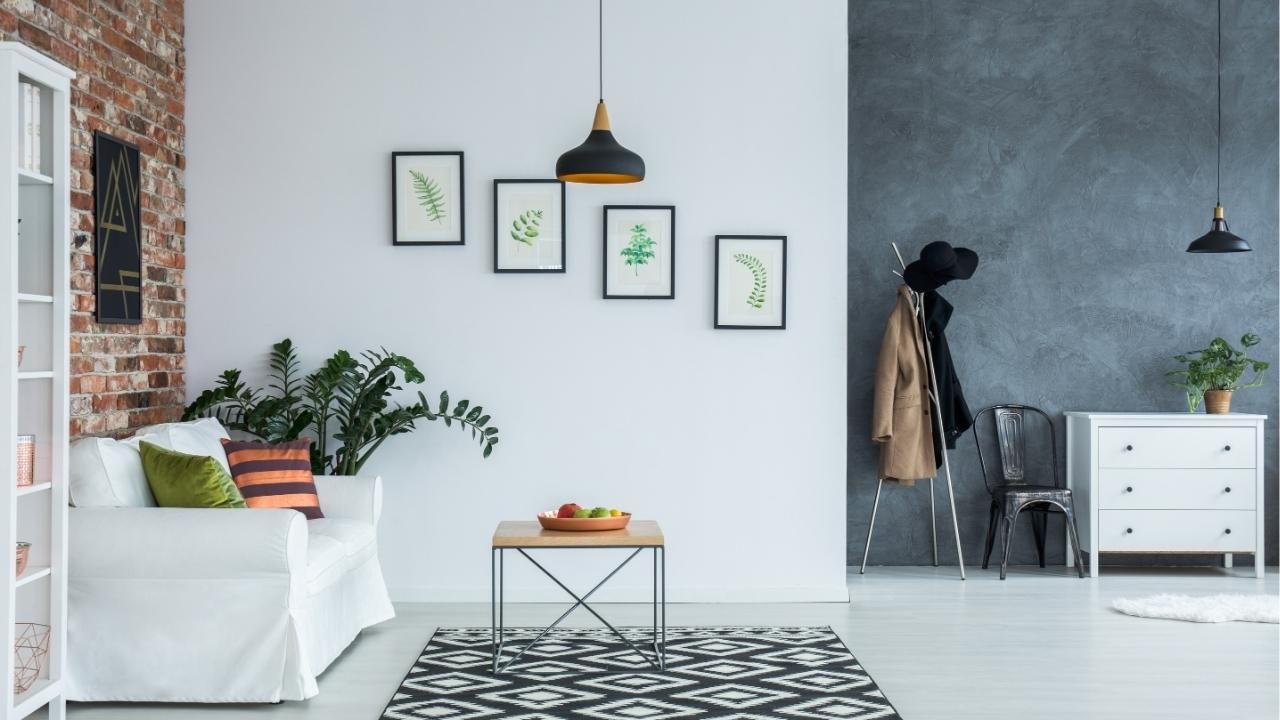
Modern paint styles are clean, intentional, and uncluttered. They’re built around simplicity and contrast rather than decoration.
Key characteristics include:
- Neutral color palettes like white, gray, beige, and soft taupe
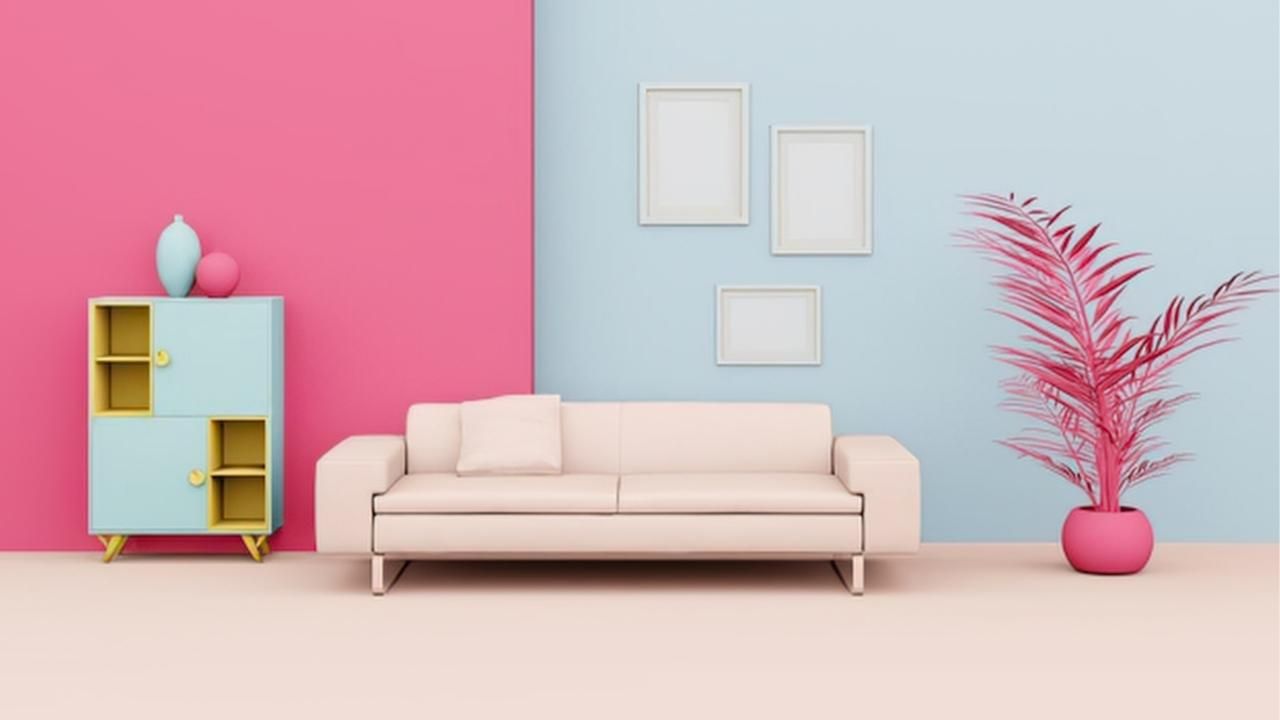
- High-contrast accents such as charcoal, matte black, or deep navy
- Smooth finishes with minimal texture
- Accent walls that create focal points without overwhelming the room
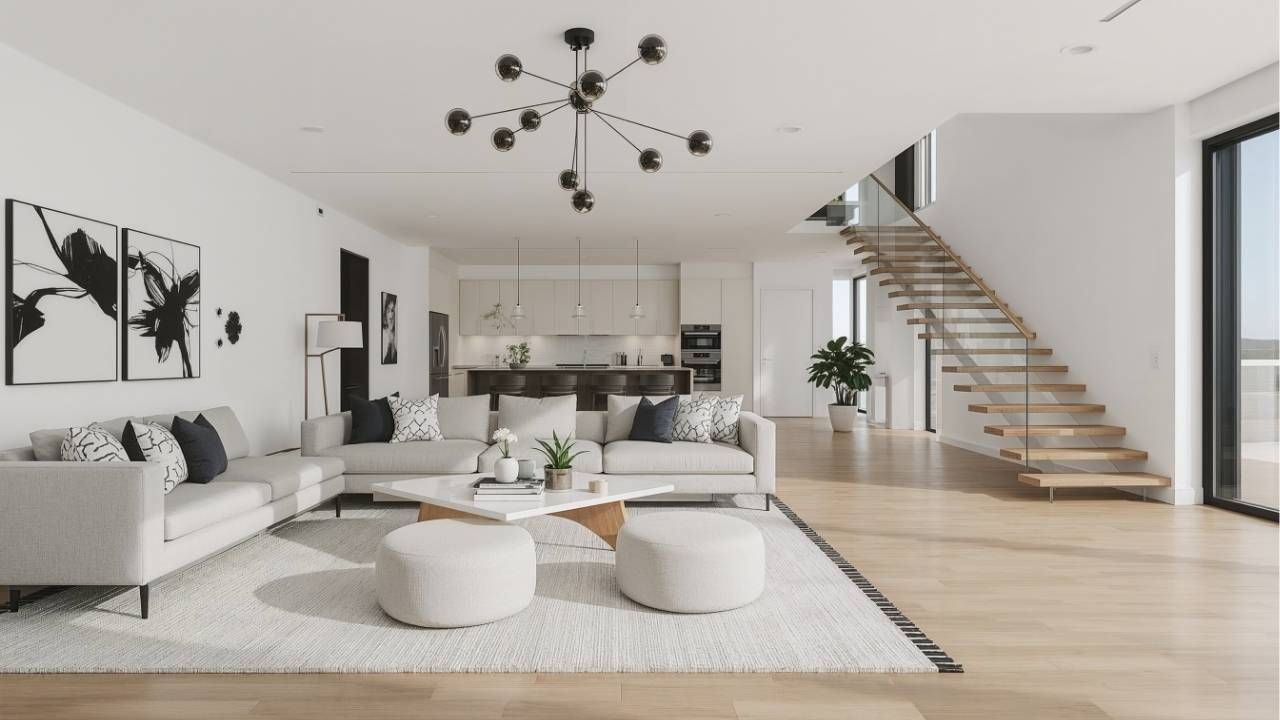
Modern homes benefit from paint that enhances light and space. Flat or matte finishes are common, especially in open floor plans, because they reduce glare and feel more refined. This style works exceptionally well in newer homes, condos, and remodeled spaces with clean lines and contemporary fixtures.
If your goal is a fresh, current look that feels calm and intentional, modern paint choices deliver exactly that.
The Timeless Appeal of Traditional Paint Styles
Traditional paint styles focus on warmth, comfort, and familiarity. They’re rooted in classic design principles that never feel out of place.
Common features include:
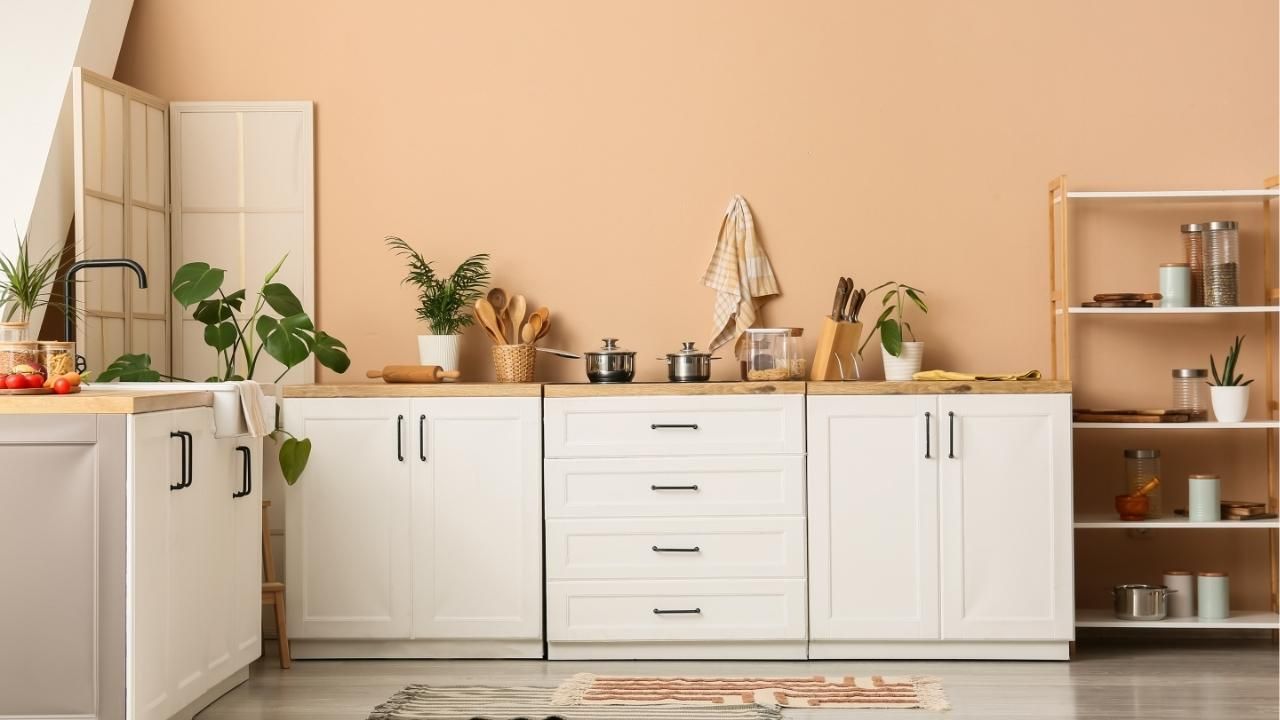
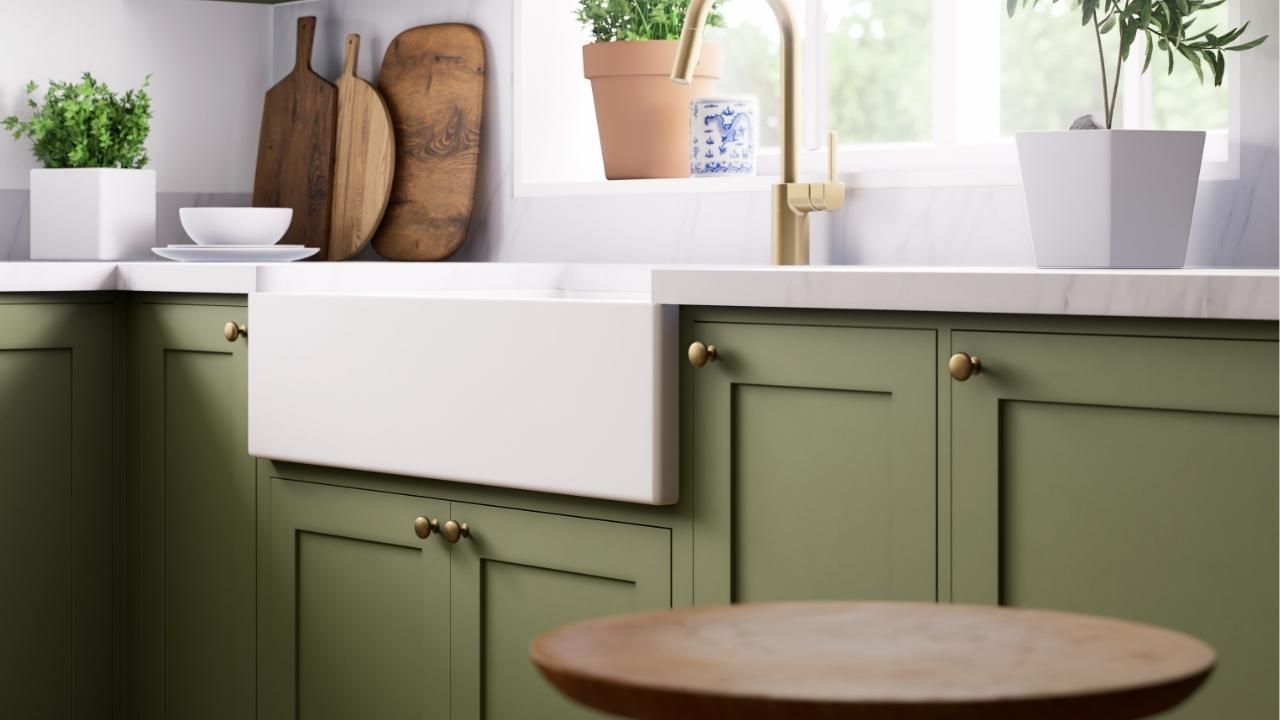
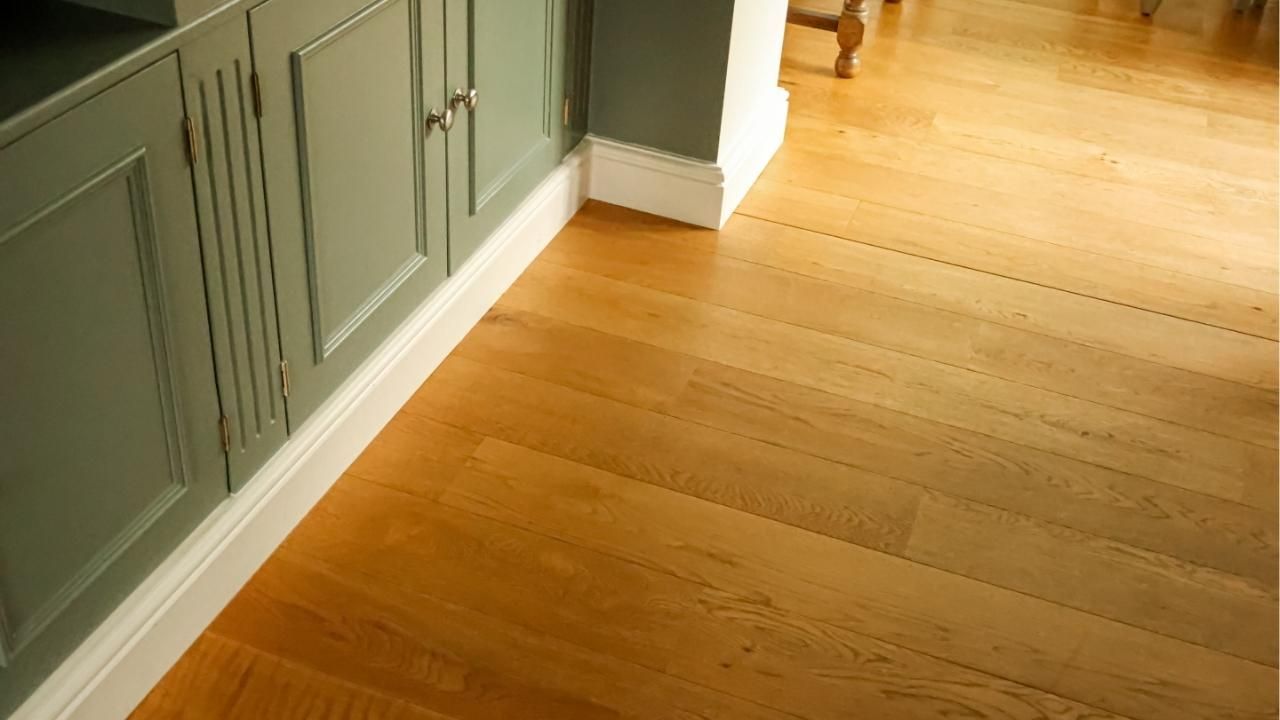
- Warm, earthy tones like cream, tan, sage, and muted blues
- Satin or eggshell finishes for subtle depth
- Coordinated trim and wall colors
- Richer hues that complement wood details and architectural features
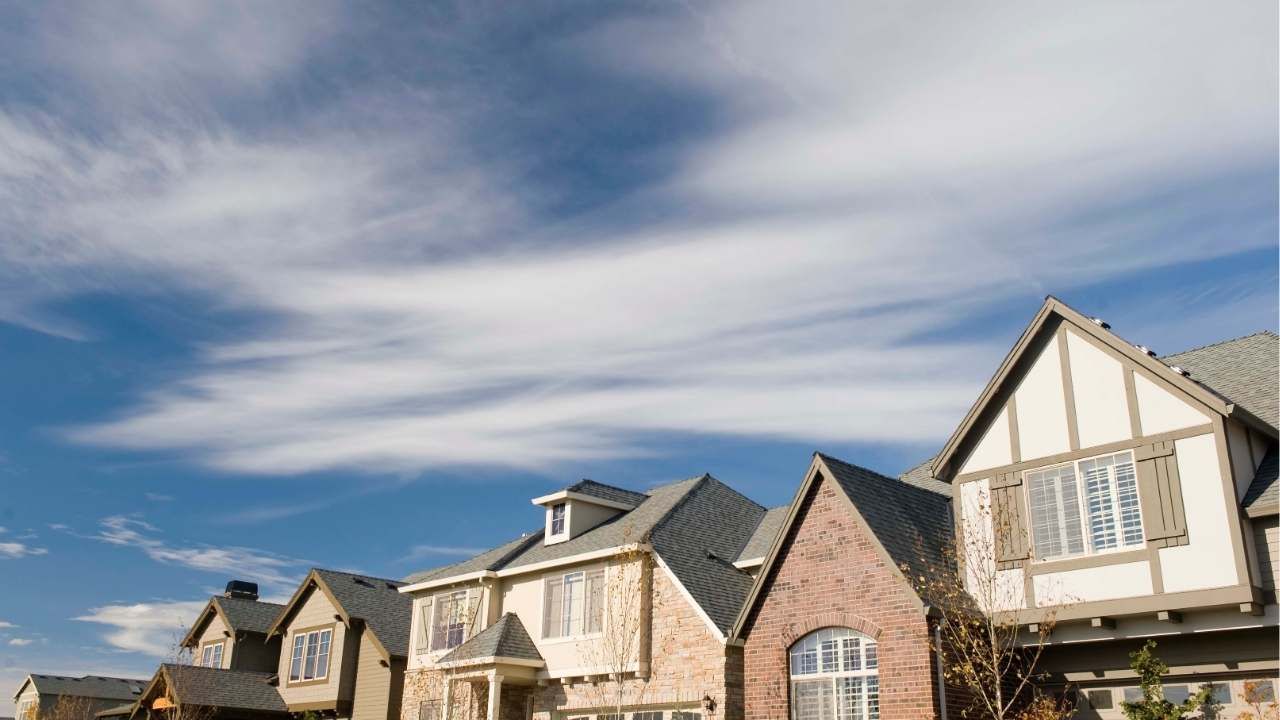
Traditional paint works beautifully in older homes, craftsman-style houses, and spaces with crown molding or detailed trim. These colors create a welcoming atmosphere and often feel more forgiving over time, especially in family homes with heavy foot traffic.
If you value coziness, heritage, and a lived-in feel, traditional paint styles are a safe and stylish choice.
How to Choose the Right Style for Your Home
The right paint style isn’t about following rules. It’s about aligning design with how you live.
Ask yourself:
- Do you prefer bright, open spaces or warm, intimate rooms?
- Is your home modern in structure or rich in architectural detail?
- Are you painting for yourself or preparing to sell?
Many homeowners land somewhere in the middle. A modern neutral base paired with traditional accent colors is a smart hybrid approach. Bedrooms often benefit from warmer tones, while kitchens and living areas lean more modern.
Short Case Study: Finding the Right Balance
A Central Oregon homeowner with a 1990s-built house wanted a more updated look without losing warmth. The solution was a modern greige base throughout the main living areas, paired with traditional sage green in bedrooms and a deeper navy accent wall in the dining room. The result felt fresh but familiar. More importantly, the paint enhanced natural light while respecting the home’s original character, proof that modern and traditional styles don’t have to compete.
Final Takeaway
Paint style sets the emotional tone of your home. Whether you lean modern, traditional, or somewhere in between, the key is intentional choices and expert execution. When the style fits the space, the result always feels right.
Talk to a professional painter who can help translate your design preference into a finish that actually lasts and looks great for years.
Ash Painting Blogs