How Often Should You Repaint the Inside of Your Home?
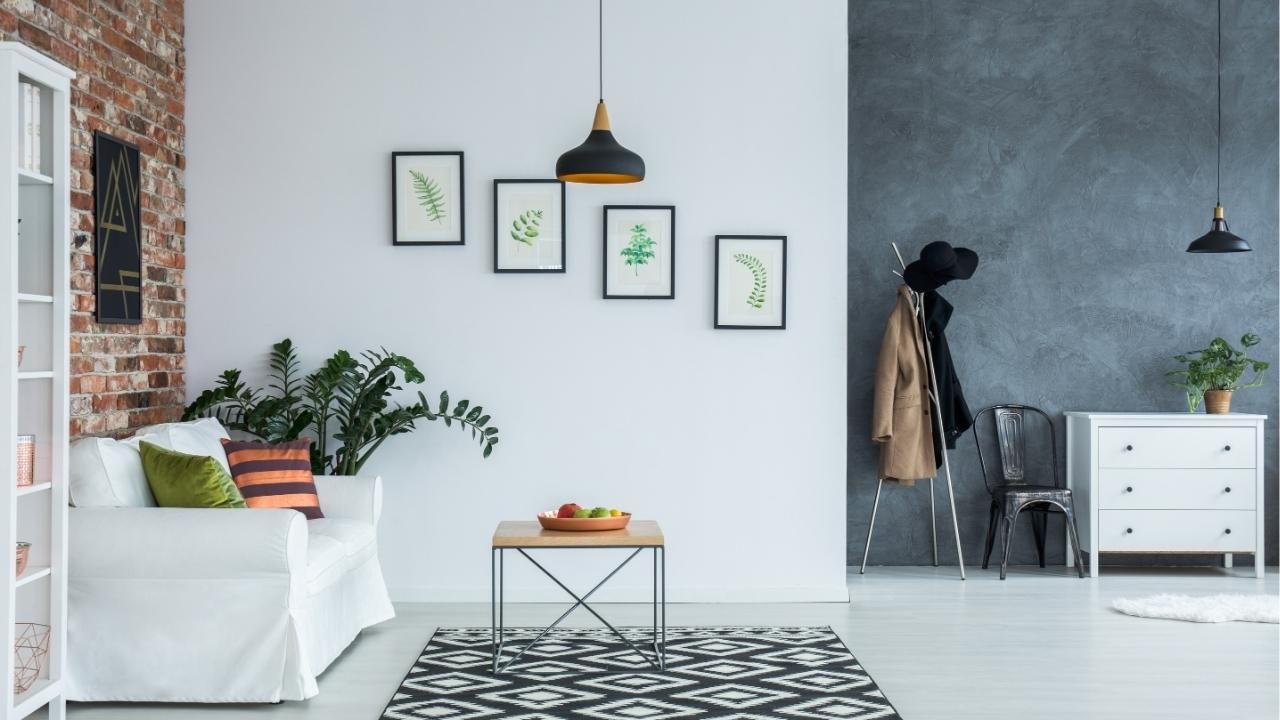
Your walls do more than hold up artwork and family photos. They quietly take the abuse of daily life: sunlight, fingerprints, cooking residue, moisture, furniture scuffs, and the occasional “who put that mark there?” mystery.
In this guide, you’ll learn how often to repaint each room, what signs mean it’s time, and how to make your next interior paint job last longer.
The General Rule for Interior Repainting
Most homeowners should repaint the inside of their home every 3 to 7 years, depending on the room, paint quality, lifestyle, and overall wear. Bedrooms and low-traffic spaces can often go longer, while kitchens, bathrooms, hallways, and kids’ rooms usually need fresh paint sooner.
If your home gets heavy use, has pets, young children, or lots of natural light, you may need to repaint more often. A trusted local painting contractor in Central OR can also help you decide whether your walls need a full repaint or just touch-ups.
Paint is not only about color. It protects drywall, seals surfaces, and keeps your home feeling clean and well cared for. That matters even more if you plan to sell your home in the next few years.
How Often to Repaint Each Room
Different rooms age at different speeds. A formal dining room may still look fresh after seven years, while a busy hallway can look tired after two.
Here’s a practical room-by-room guide:
- Living rooms: Every 5 to 7 years
- Bedrooms: Every 5 to 8 years
- Kids’ rooms: Every 2 to 4 years
- Kitchens: Every 3 to 4 years
- Bathrooms: Every 3 to 4 years
- Hallways and entryways: Every 2 to 3 years
- Trim, doors, and baseboards: Every 2 to 4 years
Kitchens and bathrooms usually need attention sooner because they deal with moisture, steam, grease, and frequent cleaning. Hallways and entryways wear down quickly because they handle daily traffic, shoes, bags, pets, and furniture bumps.
For homeowners comparing Central Oregon painting services, it’s smart to ask about paint finishes, prep work, and moisture-resistant options before choosing a crew.
Signs It’s Time to Repaint
A repaint schedule is helpful, but your walls will often tell you when they are ready. The key is knowing what to look for.
Watch for these signs:
- Faded or uneven color
- Scuff marks that will not wash off
- Peeling, cracking, or bubbling paint
- Stains from water, smoke, or cooking
- Walls that feel dull even after cleaning
- Outdated colors that make the room feel older
- Paint that no longer matches your furniture or style
Sometimes, the problem is not age. It may be poor surface prep, low-quality paint, moisture issues, or the wrong finish for the room. That is where local painting pros can save you money by fixing the root problem instead of just covering it up.
How to Make Interior Paint Last Longer
Good paint lasts longer when the work is done right from the start. Rushing the prep stage is one of the biggest reasons interior paint fails early.
To extend the life of your paint:
- Choose the right finish for each room
- Use washable paint in high-traffic areas
- Clean walls gently with mild soap and water
- Fix moisture problems before painting
- Patch holes and sand rough areas properly
- Use primer when changing colors or covering stains
- Avoid cheap paint in rooms that get daily use
Flat paint can look beautiful, but it is harder to clean. Eggshell or satin finishes are often better for living rooms, hallways, and kids’ spaces. Semi-gloss works well for trim, doors, and areas that need frequent wiping.
Short Case Study: A Simple Repaint That Changed the Home
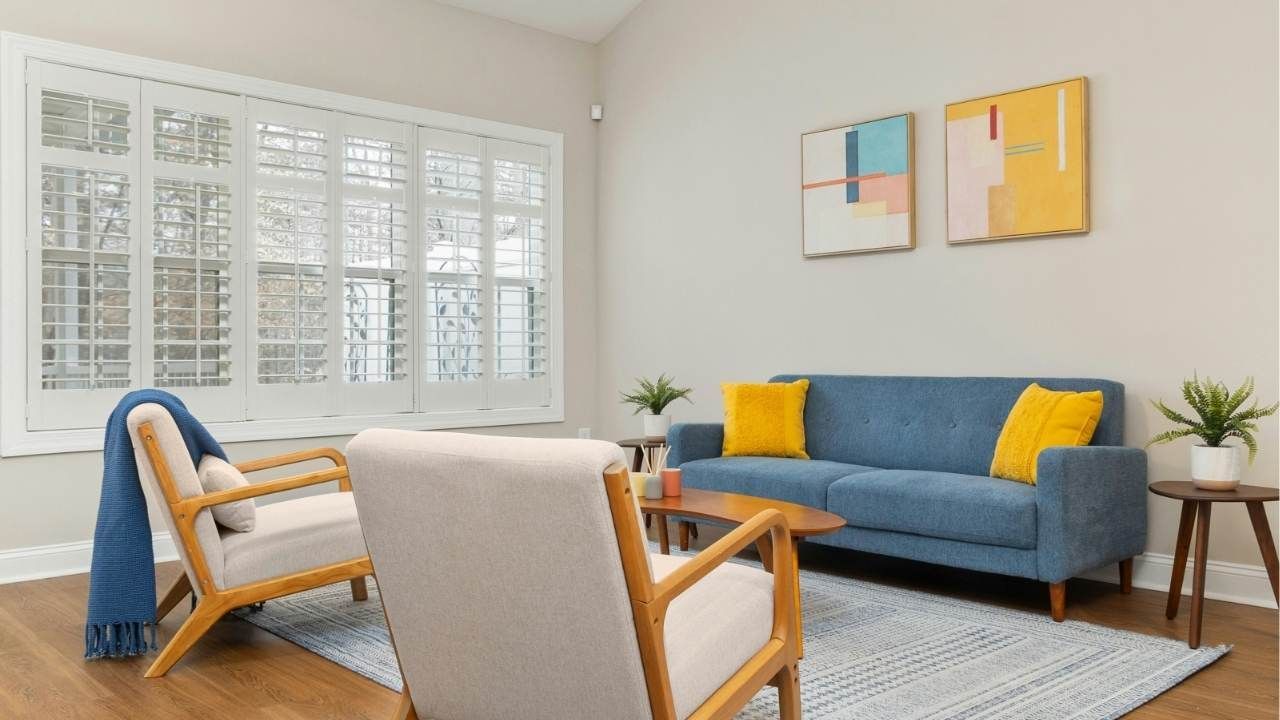
A Central Oregon homeowner had a living room that felt dark, even though the space had large windows. The paint was seven years old, slightly faded, and marked from furniture and pets. Instead of doing a full remodel, they repainted the walls with a warm neutral color and refreshed the trim in a clean white finish. The result was immediate. The room looked brighter, newer, and more spacious. The homeowner later said the repaint made the home feel “lighter” without replacing flooring, furniture, or décor. Sometimes, paint really is the highest-impact upgrade for the money.
Final Thoughts
So, how often should you repaint the inside of your home? For most rooms, every 3 to 7 years is a fair rule. But high-traffic areas, moisture-prone rooms, and homes with kids or pets may need fresh paint sooner.
Do a quick walk-through of your home this week and look at your walls in natural light. If they look faded, stained, scuffed, or outdated, it may be time to plan your next interior repaint.
Schedule a professional interior paint consultation today and give your home a cleaner, fresher look without the cost of a major renovation.
Ash Painting Blogs