How to Maintain Your Fence Through Every Season
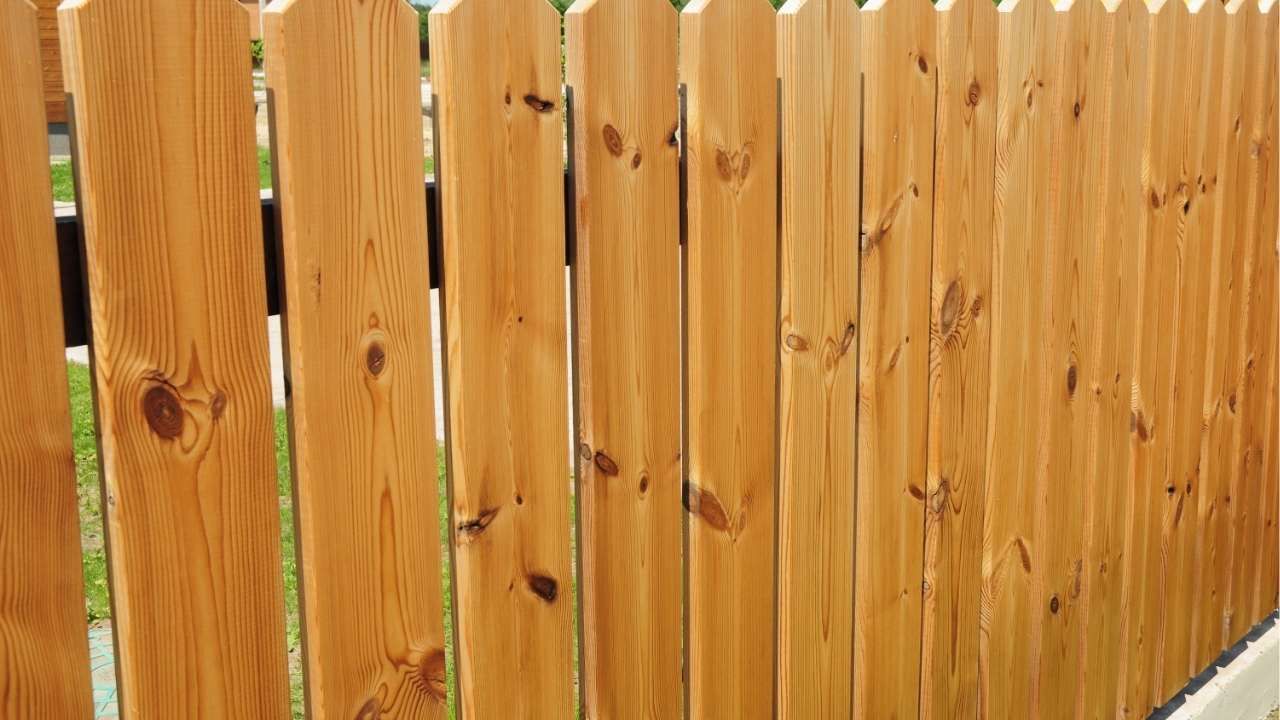
A fence does more than mark your property line. It protects your home, boosts curb appeal, and quietly takes a beating from the weather year-round. Ignore it, and you’ll pay for it later.
In this guide, you’ll learn how to protect your fence through every season, when to inspect it, and how smart upkeep can save you from expensive repairs or full fence building down the road. If you’ve ever searched for house painters in Central Oregon to refresh your home’s exterior, the same mindset applies to fence painting and staining, consistent care beats last-minute fixes every time.
Let’s break it down season by season.
Spring: Inspect and Clean After Winter
Winter is rough on fences. Moisture seeps into wood. Metal contracts and expands. Posts shift in saturated soil.
Spring is your reset button.
Start with a full inspection:
- Look for warped or cracked boards
- Check for loose nails or screws
- Test posts for stability
- Watch for mold, mildew, or rot at the base
Next, give your fence a proper cleaning. Use a garden hose or a pressure washer on a low setting. Removing grime early prevents long-term damage and prepares the surface if you plan to reseal or stain later in the year.
If you notice widespread rot or structural instability, patchwork repairs won’t cut it. That’s when a professional evaluation makes sense.
Summer: Seal, Stain, and Protect
Summer is prime time for protective treatments. Warm, dry weather allows stains and sealants to cure properly.
Wood fences especially need protection from UV rays. Without it, boards fade, dry out, and split. A high-quality sealant locks out moisture while shielding against sun damage.
Here’s what to focus on:
- Reapply stain every 2–3 years
- Seal exposed wood grain
- Tighten hardware and hinges
- Trim back vegetation touching the fence
Metal fences need attention too. Scrape off rust spots and apply rust-resistant primer before repainting.
Think of this as sunscreen for your fence. Skip it, and the damage shows fast.
Fall: Prepare for Moisture and Wind
Fall is about preparation. Leaves pile up. Rain increases. Wind picks up.
Clear debris from the fence line. Wet leaves trap moisture against wood and speed up decay. Check drainage around posts to ensure water doesn’t pool at the base.
Reinforce weak sections before winter storms hit. A small loose panel in October becomes a collapsed section by January.
If you’ve been delaying repairs, now’s the time. Once freezing temperatures arrive, materials become brittle and harder to work with.
Winter: Monitor and Minimize Damage
Winter maintenance is more about monitoring than major projects.
After heavy snow or storms:
- Remove snow buildup along the fence base
- Check for leaning posts
- Look for cracked boards from freeze-thaw cycles
Avoid piling shoveled snow directly against the fence. Excess weight and moisture shorten its lifespan.
You may not be staining or replacing boards in winter, but staying alert prevents minor issues from turning into structural failures.
Case Study: A Costly Delay That Didn’t Have to Happen
A homeowner ignored minor discoloration and slight warping for two seasons. It seemed cosmetic. By the third year, several posts had rotted at ground level due to trapped moisture and untreated wood.
Instead of a simple reseal and a few board replacements, they faced a partial rebuild costing thousands.
A neighbor, on the other hand, scheduled routine cleaning and resealing every few years. Ten years later, their fence still stands straight, with minimal repairs.
The difference? Consistency.
The Long-Term Payoff of Seasonal Maintenance
A well-maintained fence can last:
- 15–20 years for treated wood
- 20+ years for vinyl
- Decades for properly coated metal
Neglect cuts that lifespan in half.
Seasonal care protects your investment, preserves your property value, and keeps your home looking sharp year-round. It’s not complicated. It just requires attention.
Walk your fence this week. Inspect it. Clean it. Protect it. Small actions now prevent major expenses later,
contact us today to keep your fence in peak condition.
Ash Painting Blogs