How Much Should I Charge to Paint a Fence in Oregon: A Pricing Guide
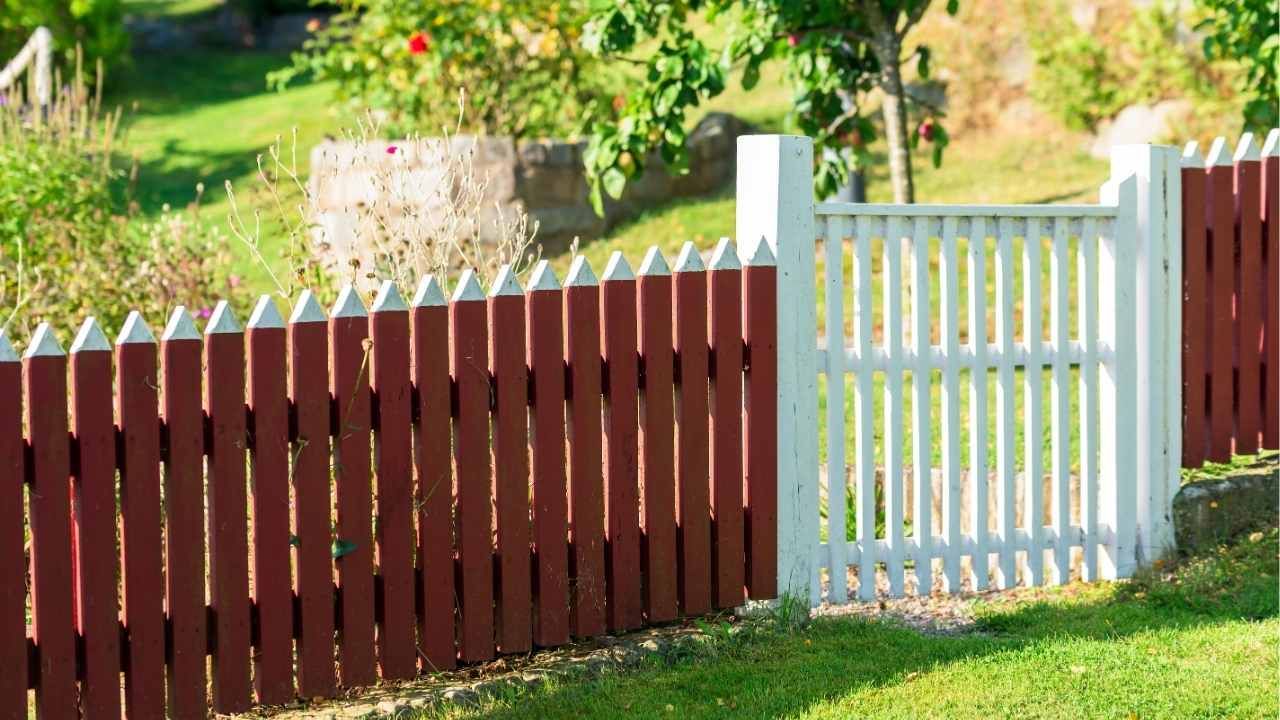
Painting a fence is a great way to refresh your property’s appearance and protect the wood from the elements. However, determining the right price to charge for this service can be challenging, especially if you’re new to the business. In this guide, we'll break down the factors that influence pricing and help you set a fair rate for painting a fence in Central Oregon 97405.
Factors That Affect Fence Painting Costs
Before you can set a price, it’s important to understand the various factors that impact the cost of painting a fence. Here are some key considerations:
1. Fence Size and Type
- Length and Height: The larger the fence, the more time and materials you’ll need. Measure the total length and height of the fence to estimate the area you’ll be painting.
- Material: Wood, vinyl, and metal fences all require different types of paint and preparation. Wooden fences, for instance, might need a primer before painting, while metal fences may require rust-proofing.
2. Condition of the Fence
- Prepping the Surface: If the fence is old or weathered, you might need to spend time sanding, cleaning, or repairing it before painting. This additional labor should be factored into your pricing.
- Number of Coats Needed: Depending on the current color and the desired finish, multiple coats of paint might be required, increasing both time and material costs.
3. Paint Quality
- Type of Paint: Higher-quality paints last longer and provide better coverage but are more expensive. If the customer wants a premium finish, be sure to include the cost of the paint in your estimate.
- Weather Considerations: Eugene’s climate can be unpredictable, so using paint that can withstand wet conditions is essential. This may add to the overall cost.
4. Labor Costs
- Hourly Rate: Determine your hourly rate based on your experience, expertise, and the going rates in Oregon. Typically, fence painting can range from $20 to $50 per hour, depending on these factors.
- Number of Workers: If you’re working with a team, remember to account for the labor costs of your helpers. This is particularly important for larger projects.
How to Calculate Your Rate
Now that you’ve considered the factors, it’s time to calculate your rate. Here’s a simple step-by-step process:
- Estimate the Area to Be Painted: Multiply the length and height of the fence to get the total square footage.
- Determine Material Costs: Calculate the cost of paint, primer, brushes, rollers, and any other materials you’ll need.
- Calculate Labor Hours: Estimate how many hours it will take to prep, paint, and clean up. Multiply this by your hourly rate.
- Add a Profit Margin: It’s essential to make a profit, so add a reasonable percentage to your costs to ensure your business remains sustainable.
- Total Your Costs: Add up the material costs, labor costs, and your profit margin to arrive at the final price.
Example Pricing Scenario
Let’s say you’re painting a 200-foot wooden fence that’s 6 feet tall. You estimate it will take 15 hours to complete, including prep time, with an hourly rate of $35. You also calculate that you’ll need about $150 worth of paint and supplies. Here’s how you might price it:
- Labor: 15 hours x $35/hour = $525
- Materials: $150
- Profit Margin: 20% of $675 (labor + materials) = $135
Total Estimated Cost: $525 (labor) + $150 (materials) + $135 (profit) = $810
Consider Working with a Commercial Painting Contractor
If the job is too large or complex, consider partnering with a commercial painting contractor. These professionals have the experience and tools needed to handle large-scale projects, and working with them can provide an opportunity to expand your business.
Now that you have a better understanding of how to price your fence painting services in Central Oregon, it’s time to put this knowledge to use. Whether you’re just starting out or looking to refine your pricing strategy, remember that offering fair and transparent rates will help you build trust and attract more clients. Need help with a larger project? Get in touch with our experienced painters to tackle bigger jobs together.
Ash Painting Blogs